


Views: 0 Author: Site Editor Publish Time: 2024-09-02 Origin: Site


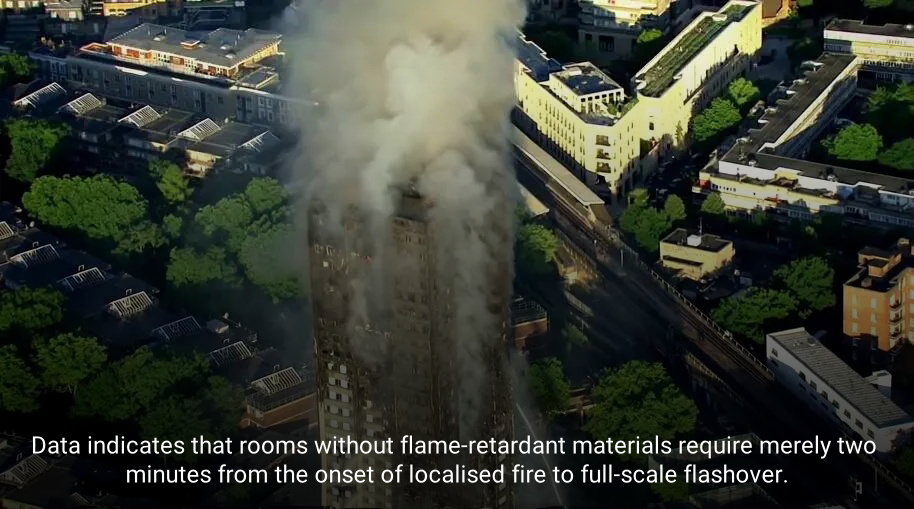
The proliferation of polymeric materials and electronic consumer goods has enriched modern life, yet it has also intensified fire hazards. In enclosed or crowded spaces, rapid fire spread causes devastating losses. As key additives that enhance material fire resistance, flame retardants are growing in importance—protecting product safety, human lives, and environmental sustainability. However, the environmental and health risks of traditional flame retardants cannot be ignored. Looking ahead, high efficiency, green performance, and eco-friendliness will define flame retardant R&D. New formulations must balance fire resistance with low toxicity, while smart technologies like responsive flame retardants (which activate automatically) will build a safer, greener future.
Eco-Friendly Pioneer, Green Choice
While pursuing high-efficiency flame retardancy, we remain committed to environmental protection. The use of Ethylenebistetrabromophthalimide reduces harmful emissions, contributing to a greener planet.
01 How Do Flame Retardants Work?
These remarkable chemical guardians protect safety amid flames by leveraging clever chemical and physical mechanisms to enhance the fire resistance of polymeric materials. Let’s uncover the technical secrets behind them.
Classification of Flame Retardants
Flame retardants are categorized by structure, application method, and halogen content:
- By structure: Macromolecular polymeric and small molecular types.
- By application method:
- Additive flame retardants: Used in thermoplastic polymers (e.g., PP, PVC). They integrate physically without chemical reactions, acting as "hidden guardians" embedded in the material.
- Reactive flame retardants: Paired with thermosetting polymers (e.g., epoxy resins). They bond chemically to the material’s molecular structure, becoming an integral component.
- By halogen content: Halogenated (e.g., bromine-based, chlorine-based) and halogen-free (e.g., phosphorus-based, inorganic metal hydroxides).
Core Flame Retardant Mechanisms
When polymeric materials encounter open flame, an oxidation reaction occurs—exciting large numbers of hydroxyl radicals (OH•) that trigger chain reactions to sustain combustion. Flame retardants intervene by targeting the "fire triangle" (fuel, oxidizer, ignition source) through four key mechanisms:
1. Heat Absorption Retardation
Represented by inorganic flame retardants like magnesium hydroxide (Mg(OH)₂) and aluminum hydroxide (Al(OH)₃). At high temperatures, they undergo endothermic decomposition, releasing crystalline water and absorbing massive heat to lower the material’s surface temperature below its ignition point. For example, magnesium hydroxide absorbs ~1.3kJ of heat per gram during decomposition, effectively inhibiting combustion.
2. Gas Dilution Retardation
Hydroxide-based flame retardants (e.g., Al(OH)₃) release large volumes of water vapor during decomposition. This vapor dilutes oxygen and flammable gas concentrations in the combustion zone, creating a "protective barrier" to suppress flame spread.
3. Surface Barrier Retardation
Phosphorus-based flame retardants (e.g., red phosphorus, phosphate esters) dominate this mechanism. At high temperatures, they decompose to form a dense, cross-linked carbonized layer on the material’s surface—acting as a physical barrier to block oxygen and prevent further burning.
4. Free Radical Scavenging Retardation
Halogenated flame retardants (e.g., bromine-based compounds) operate in the gas phase. When heated, they release halogen radicals that react with active hydroxyl (OH•) and hydrogen (H•) radicals produced during combustion, interrupting the chain reaction and quenching the flame.
02 Types of Flame Retardants
Flame retardants are broadly divided into halogenated and halogen-free types, each with unique properties for different applications:
1. Halogenated Flame Retardants
Brominated flame retardants (e.g., PBDEs, tetrabromobisphenol A) are the most widely used due to their low addition levels, excellent flame retardancy, and cost-effectiveness. However, specific brominated variants like hexabromocyclododecane (HBCD) may release toxic gases during combustion, posing environmental and health risks. Chlorinated flame retardants are less common but offer comparable fire resistance.
2. Halogen-Free Flame Retardants
Defined as having total bromine + chlorine content < 1500ppm (not absolutely halogen-free), they include:
- Phosphorus-based: Inorganic (e.g., red phosphorus) and organic (e.g., phosphate esters) types that form protective films to block heat and oxygen.
- Intumescent flame retardants: Expand to form a carbon layer during combustion, insulating the substrate.
- Inorganic types: Mg(OH)₂ and Al(OH)₃ with high thermal stability, non-volatility, and long-lasting fire resistance.
- Silicon-based: Utilize stable siloxane structures to form low-toxic, anti-dripping protective layers and reduce smoke.
- Bio-based flame retardants: Emerging research focus with advantages of eco-friendliness, abundant resources, and low cost.
Halogen-free flame retardants are environmentally friendly but often lag behind halogenated types in efficiency, and may impact material mechanical properties or processability. Selection requires balancing fire resistance, environmental requirements, and recyclability.
03 Scientific Understanding of Flame Retardant Environmental Friendliness
Misconception: Halogen-Free Equals Eco-Friendly
Halogen-free flame retardants have gained market traction, but the belief that "halogenated = harmful, halogen-free = eco-friendly" is a one-sided misunderstanding. This myth persists due to four factors:
1. Negative impacts of individual halogenated flame retardants are overgeneralized to the entire category.
2. Misinterpretation of scientific research reinforces biases.
3. Simple halogen detection methods mislead comprehensive chemical assessment.
4. Overmarketing of halogen-free products driven by commercial motives.
In reality, the Globally Harmonized System of Classification and Labeling of Chemicals (GHS) only restricts specific halogenated compounds (e.g., TBBA, HBCD). Some halogen-free variants—such as certain phosphates and hypophosphites—also carry hazardous substance labels. The element itself does not determine eco-friendliness; chemical properties and applications are key.
Risks of One-Sided "Halogen-Free" Advocacy
- Confuses concepts, misleads the public, and undermines scientific assessment systems.
- Forces adoption of immature alternatives or lowers fire safety standards, increasing fire risks.
- Raises costs via excessive testing, burdening enterprises and consumers.
- Alters market dynamics, increasing monopoly risks and weakening domestic brands’ global competitiveness.
What Defines a Truly Eco-Friendly Flame Retardant?
The industry should embrace diversity, with flame retardants fulfilling their roles and chosen by the market under regulatory frameworks. Eco-friendliness requires:
- Low environmental persistence, bioaccumulation, and toxicity (non-PBT properties).
- Low carbon footprint and environmental impact across the full lifecycle.
- Compliance with regulations, plus balanced performance and safety.
Hazards stem from chemical interactions with organisms. Macromolecular compounds, which rarely penetrate cell membranes and have low bioaccumulation, represent a green direction. From traditional polymeric flame retardants to new silicone-based and polymerized nitrogen-phosphorus formulations, the industry is advancing eco-friendly solutions.
Conclusion
Flame retardants are indispensable for fire safety, but their environmental impact demands scientific scrutiny. The myth that "halogen-free = eco-friendly" must be dispelled—true sustainability lies in comprehensive assessment of chemical properties, lifecycle impacts, and performance. As environmental awareness grows, the flame retardant industry is moving toward greener, safer solutions—driven by science, not trends. With innovations like responsive flame retardants and eco-friendly formulations such as Ethylenebistetrabromophthalimide, we are building a safer, more sustainable future.


