


Views: 0 Author: Site Editor Publish Time: 2026-07-16 Origin: Site


Polymer manufacturers face a persistent engineering tradeoff. Achieving stringent UL94 V-0 fire safety ratings typically requires high flame retardant (FR) loading. This heavy loading severely degrades the material's mechanical properties. It often compromises impact strength and reduces melt flow. Single-element systems are increasingly hitting performance or regulatory ceilings. Purely brominated or purely phosphorus-based additives struggle to balance fire safety and structural integrity.
Synergistic systems bridge this critical gap. They allow engineers to achieve compliance without sacrificing the physical characteristics of the final product. This guide evaluates how these systems function. We focus specifically on FR-370 to provide a practical technical framework. You will learn how to assess its viability in your compounding processes. We cover everything from mechanism efficiency to implementation realities, helping you formulate safer, stronger plastics.
Mechanism Efficiency: Combining bromine (gas-phase radical quenching) and phosphorus (solid-phase charring) achieves superior fire resistance at significantly lower total loading levels.
Material Integrity: Lower loading requirements preserve critical polymer mechanics, particularly in Polypropylene (PP) and High-Impact Polystyrene (HIPS).
Processability: FR-370 exhibits excellent thermal stability and UV resistance, reducing compounding risks like discoloration or die drool.
Regulatory Viability: Carefully structured synergistic molecules can offer more favorable environmental and compliance profiles compared to legacy high-volume brominated alternatives.
High additive loading creates major problems for polymer engineers. Legacy flame retardants often require 20% to 30% loading to meet strict fire codes. This massive volume of filler increases compound density. It ultimately raises the cost-per-part because you yield fewer components per kilogram of resin. Furthermore, heavy loading embrittles the final plastic housing. End-use products fail drop tests, suffer from surface defects, and wear out extrusion machinery faster.
A bromine-phosphorus synergistic flame retardant solves this loading versus performance paradox. By leveraging two distinct chemical actions simultaneously, it achieves maximum fire suppression at a fraction of the traditional volume. You maintain the physical properties of your base resin while still passing rigorous UL94 V-0 protocols. It provides a highly efficient pathway for modern formulations.
To successfully evaluate a switch to a synergistic system, engineers must track specific performance metrics. Base your validation trials on the following success criteria:
Melt Flow Index (MFI) Retention: The additive must not drastically alter the flow behavior of the base polymer during injection molding.
Low Loading Targets: Achieve reliable UL94 V-0 performance at or below 5% active FR loading.
Surface Aesthetics: Eliminate compounding defects like surface blooming or die drool during continuous extrusion runs.
Mechanical Preservation: Maintain baseline Izod impact strength and elongation at break compared to the neat resin.
Understanding the dual-action mechanism requires looking at how plastics burn. Combustion relies on a continuous feedback loop of heat, fuel, and oxygen. Flame retardants must interrupt this loop. Single-base systems attack only one part of the fire cycle. Synergistic systems attack two.
Bromine operates primarily in the gas phase. When exposed to high heat, the brominated component breaks down. It releases active bromine radicals into the flame zone. These halogens act as free radical scavengers. They neutralize highly reactive hydrogen and hydroxyl radicals generated by the burning polymer. Quenching these radicals effectively stops the exothermic chain reaction. It cools the flame and reduces fuel generation.
Phosphorus operates primarily in the solid phase. It remains on the surface of the burning polymer. Heat causes the phosphorus compound to form polymeric phosphoric acids. These acids promote rapid cross-linking and carbonization of the plastic surface. They build a thick, insulating carbonaceous char layer. This char barrier physically blocks oxygen from reaching the underlying plastic. It also prevents volatile flammable gases from escaping into the flame.
When you combine these actions, you trigger a multiplier effect. The char barrier traps the active bromine vapors close to the surface, maximizing their concentration where they are most needed. This concurrent action is exponential rather than additive. We can observe this superiority when comparing systems directly.
System Type | Primary Phase Action | Mechanism | Loading Requirement for V-0 |
|---|---|---|---|
Pure Brominated (e.g., DecaBDE) | Gas Phase Only | Radical quenching | High (15% - 25%) |
Pure Phosphate Esters | Solid Phase Only | Char formation | Medium to High (10% - 20%) |
Bromine-Phosphorus Synergist | Gas + Solid Phase | Radical quenching + Char barrier | Low (Under 5% - 8%) |
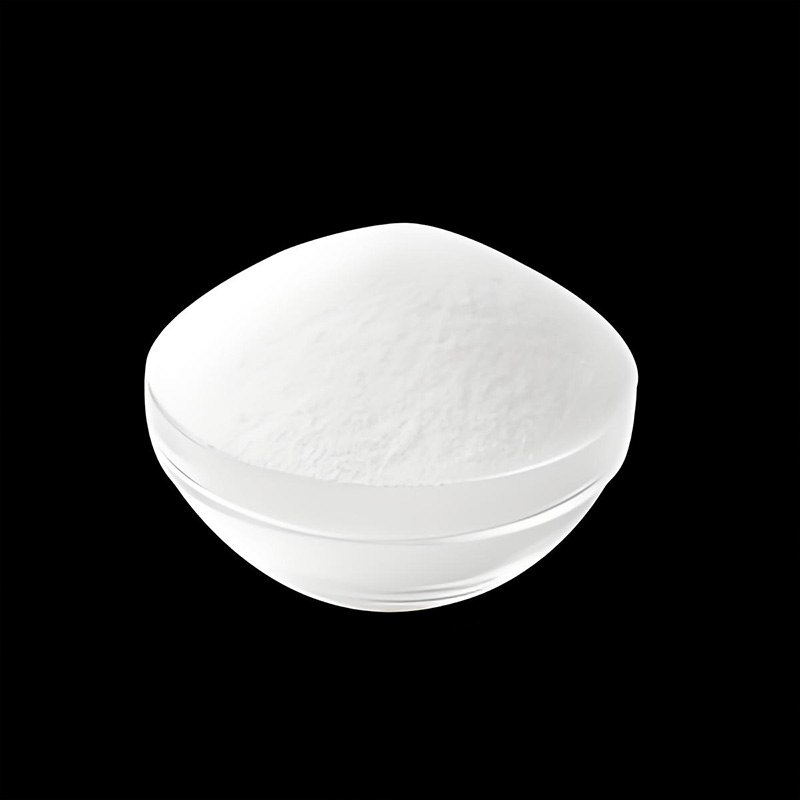
Engineers must carefully match the chemical profile of an additive to their base resin. FR-370 Flame Retardant, chemically known as tris(tribromoneopentyl) phosphate, offers a highly specialized molecular structure. It neatly combines an aliphatic bromine backbone with a central phosphate core. This specific arrangement delivers exceptional synergistic fire resistance without the heavy environmental baggage of legacy additives.
The additive excels in specific polyolefin and styrenic applications. In Polypropylene (PP), it demonstrates remarkable versatility. Standard homopolymer PP requires very low loading to achieve V-0 status. Glass-filled PP often presents a unique challenge due to the "wicking effect" of glass fibers, which pull fuel into the flame. FR-370 overcomes this by rapidly forming a robust char layer that seals the fibers. In High-Impact Polystyrene (HIPS), the additive preserves the rubber-modified matrix. Retaining impact strength and elongation at break is crucial for HIPS applications like consumer electronics housings. This additive allows HIPS to remain tough and flexible.
You must review critical physical parameters before formulating. A thorough understanding of the additive's specifications ensures smooth processing. Below are the typical parameters engineers evaluate.
Parameter | Value / Description | Engineering Relevance |
|---|---|---|
Melting Range | ~181°C | Perfectly aligns with PP and HIPS melt zones. |
Bromine Content | ~70% | Provides overwhelming gas-phase fire suppression. |
Phosphorus Content | ~3% | Sufficient to drive robust solid-phase charring. |
Appearance | White Powder | Allows for bright or customized color matching. |
Secondary benefits heavily influence selection. FR-370 boasts excellent UV stability. Unlike older brominated compounds that turn yellow under sunlight, this molecule resists photo-degradation. It also features high thermal stability. You can process it at elevated extrusion temperatures without risking premature degradation. This makes it ideal for end-use electronics enclosures or automotive interiors where color consistency and long-term durability remain non-negotiable.
The global compliance landscape strictly polices halogenated flame retardants. Authorities like the EPA, RoHS, and REACH continuously evaluate additives for environmental persistence. Legacy compounds, particularly polybrominated diphenyl ethers (PBDEs), faced severe restrictions due to their tendency to bioaccumulate in food webs. Formulators must navigate this scrutiny carefully.
We must take an objective look at where FR-370 stands. Its specific molecular weight and structural bulk limit its ability to cross cell membranes. This significantly reduces its bioaccumulation potential compared to banned PBDEs. While it remains a halogenated compound, its engineered structure presents a much more favorable toxicological profile. It is currently compliant with major global directives when used appropriately.
Formulation teams must actively mitigate regulatory risks. You cannot rely on outdated assumptions. Follow these best practices to verify compliance and maintain formulation integrity:
Request the most recent, regionally updated Safety Data Sheet (SDS) from your manufacturer.
Demand third-party toxicity testing summaries and RoHS compliance certificates.
Track emerging regulatory updates in your target export markets.
Document all handling and disposal procedures to align with local environmental laws.
Successful lab results mean nothing if the material fails on the production floor. Dispersion and extrusion temperatures govern the processability of your compound. Because FR-370 melts at approximately 181°C, it perfectly aligns with the standard processing windows of PP and HIPS. It acts as a melt-blendable additive rather than a rigid, solid particulate filler. This melt-blending capability ensures uniform dispersion throughout the polymer matrix. Uniform dispersion eliminates weak spots and guarantees consistent fire resistance across every molded part.
Formulators rarely use this additive entirely on its own. Peak efficiency often requires a co-synergist. Antimony Trioxide (Sb2O3) remains the most common pairing. Combining the flame retardant FR-370 for polymers with Sb2O3 accelerates the release of bromine radicals in the gas phase. Engineers typically evaluate ratios between 3:1 and 4:1 (FR to Antimony). Fine-tuning this ratio allows you to minimize antimony usage while maximizing V-0 performance.
Procurement teams must evaluate cost-in-use rather than just the per-kilogram price. Specialized synergistic molecules often carry a higher initial price tag than bulk commodity fillers. However, this higher upfront cost offsets itself rapidly on the production floor. You utilize lower loading rates, meaning you buy and store less additive overall. You displace less of your base resin, maintaining the intrinsic value of the polymer. Most importantly, preserving mechanical properties leads to higher prime-yields. You generate significantly less scrap from brittle, failed parts. The overall operational efficiency makes the formulation highly competitive.
Transitioning to a synergistic system requires careful technical evaluation, but the operational rewards remain substantial. By leveraging both gas-phase radical quenching and solid-phase charring, engineers solve the historic paradox of high loading versus mechanical failure. You can achieve strict UL94 V-0 compliance while preserving the essential impact strength and melt flow of your base resins.
If your PP or HIPS applications require robust fire safety, high UV stability, and strict mechanical property retention, FR-370 strongly warrants comprehensive lab trials. It offers a compliant, melt-blendable solution tailored for high-performance enclosures and interior components.
Your next step involves practical validation. Request a detailed Technical Data Sheet (TDS) and an up-to-date Safety Data Sheet (SDS) from your supplier. Schedule a formulation consultation with a technical sales engineer to discuss custom compounding ratios specific to your twin-screw extrusion setup. Start small-scale compounding trials today to measure exact MFI retention and impact strength in your specific polymer grades.
A: Typical loading levels range between 2% and 5% active FR, generally paired with a synergist like Antimony Trioxide. However, you must adjust this percentage based on the specific PP grade (homopolymer vs. copolymer) and the presence of any other fillers like glass fiber or talc.
A: No. It features exceptionally high thermal stability and UV resistance. It resists premature thermal degradation within standard processing temperature windows. This stability prevents the severe yellowing or darkening often associated with legacy brominated compounds.
A: It is primarily optimized for polyolefins like Polypropylene (PP) and styrenics like High-Impact Polystyrene (HIPS). While technically possible to incorporate into other resins, PC and ABS generally require different specialized FR systems to maintain their specific optical and impact properties.
A: No. Because it contains active bromine in its molecular structure, it is legally and chemically classified as a halogenated compound. However, its specific engineered structure offers a highly optimized environmental and toxicological profile compared to older, restricted brominated flame retardants.


