


Views: 0 Author: Site Editor Publish Time: 2026-07-09 Origin: Site


Polymer compounding engineers face an ongoing, complex challenge. They must achieve stringent UL 94 flammability ratings without degrading the final plastic product. Often, legacy chemical additives severely compromise both mechanical properties and the aesthetic finish. Manufacturers desperately need reliable physical stability and optimized processing windows for high-performance resins. You require a formulation that interrupts combustion cycles effectively without introducing unwanted surface defects.
Enter a highly effective aliphatic brominated additive known as FR-370 Flame Retardant. It directly addresses the severe processing limitations found in older chemical compounds. This advanced material provides exceptional thermal stability while retaining excellent melt-flow characteristics.
This comprehensive guide breaks down its precise technical specifications and application suitability. We focus specifically on Polypropylene (PP) and High-Impact Polystyrene (HIPS) compounding. Material scientists and procurement teams will learn actionable selection criteria. You can use these practical insights to evaluate its viability for upcoming thermoplastic formulations confidently.
Chemical Identity: FR-370 is commercially known as Tris(tribromoneopenthyl) Phosphate, characterized by high bromine content and excellent thermal stability.
Primary Applications: Deeply integrated into Polypropylene (PP) and High-Impact Polystyrene (HIPS) formulations requiring high UV stability and low blooming.
Performance Balance: Offers a critical balance between melt-flow retention and flame retardancy compared to traditional alternatives.
Evaluation Path: Selecting FR-370 requires assessing processing temperatures, regulatory requirements, and long-term migration risks against alternatives like brominated polymeric flame retardants.
To master advanced polymer compounding, you must first understand the fundamental chemistry of your additives. Tris(tribromoneopenthyl) Phosphate features a highly specialized molecular architecture. It utilizes an aliphatic bromine structure combined directly with a central phosphate core. This dual-element design creates a powerful synergistic halogen-phosphorus mechanism.
The aliphatic bromine component excels at trapping free radicals in the vapor phase during a fire event. Simultaneously, the phosphate core promotes solid-phase char formation. This char layer acts as a physical barrier. It blocks oxygen and prevents further heat transfer into the underlying polymer matrix. Engineers rely on this dual-action behavior to achieve superior fire resistance at lower loading levels.
Material selection depends heavily on verifiable technical data. The physical properties of this compound dictate its processing behavior inside an extruder. Below is a standard reference table detailing the core attributes you should expect when reviewing a Technical Data Sheet (TDS).
Property Indicator | Typical Range / Value | Practical Engineering Implication |
|---|---|---|
Bromine Content (%) | Approximately 70% | High concentration ensures efficient gas-phase flame inhibition. You need less total additive to reach target ratings. |
Phosphorus Content (%) | Approximately 3% | Contributes significantly to solid-phase char formation, providing secondary structural protection during combustion. |
Melting Point | > 180°C (181°C - 185°C) | Allows for standard extrusion and injection molding temperatures without premature thermal degradation. |
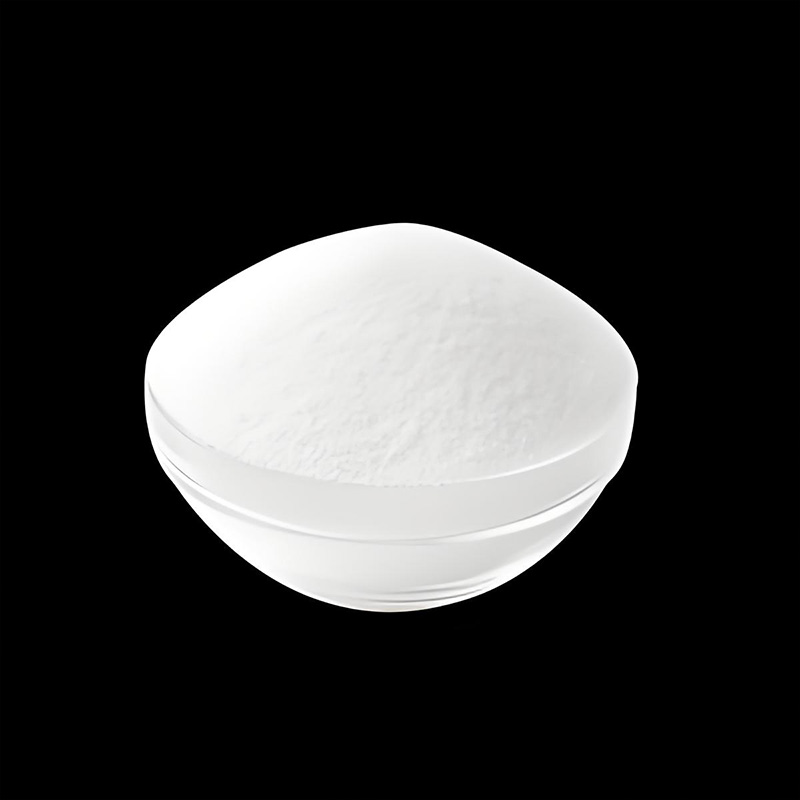
Appearance | White to off-white powder | Maintains the base color of the polymer, allowing for easier custom color matching down the line. |
It is vital to maintain realistic expectations regarding fire safety. No additive renders a polymer entirely "fireproof." Instead, this compound interrupts the combustion cycle effectively. When exposed to high heat, the molecule breaks down and releases bromine radicals. These radicals immediately scavenge highly reactive hydrogen and hydroxide radicals generated by the burning plastic.
By neutralizing these reactive species, the additive starves the flame of its chemical fuel. The flame essentially suffocates in the vapor phase. Meanwhile, the phosphorus element alters the thermal decomposition pathway of the host polymer. It encourages cross-linking rather than chain scission. This creates a dense carbonaceous char on the surface. We highly recommend leveraging both phases for optimal safety compliance.
Best Practice: Always pre-dry the powder before compounding. Even trace moisture can interfere with the phosphate core's efficiency at elevated extrusion temperatures.
Engineers consistently select this specific additive for distinct thermoplastic environments. It solves historical formulation issues in high-demand consumer and industrial goods. Two specific polymer matrices benefit most from this chemical structure: Polypropylene (PP) and High-Impact Polystyrene (HIPS).
Polypropylene presents a unique processing headache. It is inherently highly flammable. Furthermore, PP degrades rapidly under extended ultraviolet (UV) exposure. When formulators add standard brominated compounds to fix the flammability, they often destroy the polymer's UV stability. The final plastic parts turn yellow and become brittle under sunlight.
You can solve this dual problem effectively.
UV Light Stability: The aliphatic nature of the bromine bonds provides excellent resistance to UV degradation.
Color Retention: The additive has minimal impact on the polymer’s color base. It stays bright white or holds custom pigments well.
Regulatory Targets: Manufacturers frequently deploy this exact formulation to achieve UL 94 V-2 ratings in thin-wall PP parts.
Common Mistake: Avoid pushing extrusion temperatures above 230°C for prolonged periods in PP formulations. Excessive residence time at high heat can trigger unwanted discoloration, regardless of the additive's baseline stability.
HIPS relies on a delicate rubber-modified matrix to absorb physical shocks. The primary problem arises when engineers overload the matrix with dense mineral fillers or legacy halogenated chemicals. The plastic loses its signature impact strength. It becomes brittle and prone to surface defects.
This aliphatic compound offers a superior alternative. It demonstrates excellent compatibility with the styrenic matrix. The molecular structure anchors itself well within the polymer chains. This prevents "blooming," a severe defect where the additive migrates to the surface over time, leaving a powdery white residue. You retain the critical impact resistance needed for electronic housings and appliance casings.
You rarely use this compound in isolation. It typically requires a powerful synergist to achieve maximum efficacy at lower total dosages. Formulators universally rely on Antimony Trioxide (Sb2O3).
Antimony reacts with bromine during combustion to form antimony tribromide.
This heavy gas acts as an oxygen-excluding blanket over the flame.
Using a synergist allows you to reduce the total halogen loading. This preserves the mechanical flexibility of your final HIPS or PP product.
Selecting the right additive requires careful mathematical and procedural evaluation. Formulators must weigh fire safety goals against mechanical reality. You cannot blindly increase dosage levels without expecting cascading effects on the polymer's physical behavior.
Hitting specific fire safety standards requires precise loading levels. Achieving a UL 94 V-2 rating (where the material extinguishes quickly but may drip flaming particles) requires significantly less additive than a strict V-0 rating (rapid extinguishing with no flaming drips). You must define your target standard before blending.
Below is a typical evaluation chart outlining expected trade-offs across different formulation targets.
Target Standard | Typical Loading Level | Cost-to-Performance Ratio | Synergist Requirement |
|---|---|---|---|
UL 94 V-2 (PP) | Low to Moderate (2% - 5%) | Highly optimal. Excellent balance of cost and mechanical retention. | Minimal (often optional depending on resin grade). |
UL 94 V-0 (HIPS) | Moderate to High (10% - 15%) | Moderate. Increased additive cost offset by premium safety rating. | Mandatory (typically 3:1 or 4:1 Halogen to Antimony ratio). |
Every additive interacts with the base resin's physical characteristics. You must acknowledge and plan for these trade-offs. The Melt Flow Index (MFI) often increases slightly because the additive acts as a mild plasticizer during the molten phase. This improved flow helps fill intricate injection molds rapidly.
However, you will likely observe minor reductions in elongation at break. Tensile strength generally remains stable, provided the dispersion is perfect. If you require extreme flexibility, consider adjusting your baseline impact modifiers to compensate for the stiffening effect.
Compounding requires rigorous mechanical control. You cannot achieve a passing UL rating if the additive clumps inside the plastic. Poor dispersion leaves vulnerable pockets of raw polymer that will ignite easily.
We recommend utilizing specialized twin-screw extrusion setups. Configure your screw profile to emphasize distributive mixing over dispersive shear. High thermal shearing can prematurely degrade the molecule before it ever reaches the pelletizer. Monitor your melt temperature zones closely. Keep the feed zone relatively cool to prevent agglomeration at the throat.
Consumer electronics demand pristine surface finishes. Monitors, televisions, and kitchen appliances must look flawless years after manufacture. The non-blooming characteristics of this formulation make it ideal for consumer-facing goods. It stays locked inside the matrix throughout the product's entire lifecycle. You avoid the dreaded "frosting" effect common in cheaper legacy compounds.
Material scientists constantly evaluate competing chemistries. You must understand how this specific aliphatic phosphate compares to other heavy hitters in the industry. The choice usually comes down to molecular weight, migration tendencies, and evolving regulatory pressures.
The industry frequently debates the merits of low molecular weight compounds versus polymeric giants. You must evaluate Brominated polymeric flame retardant FR-1025 when designing high-end formulations.
We must contrast the molecular weights directly. FR-370 features a lower molecular weight. This smaller size offers distinctly better dispersion and smoother melt flow during compounding. It lubricates the polymer chains naturally. Conversely, FR-1025 is a massive, high molecular weight polymer itself. It requires aggressive processing conditions and can dramatically alter the host resin's rheology.
Polymeric molecules like FR-1025 are inherently non-migrating. Because of their massive physical size, they literally cannot untangle themselves to migrate to the plastic's surface. They never bloom. While FR-370 is highly resistant to blooming compared to legacy molecules, it still requires careful formulation. If you expose the final product to severe high-heat-aging applications, lower molecular weight molecules always carry a slight theoretical migration risk.
Regulatory bodies evaluate chemical risks closely. Polymeric FRs often enjoy favorable status within green chemistry frameworks. Their massive size prevents them from passing through biological cell walls. Therefore, they cannot bioaccumulate in the environment. FR-370, being a smaller molecule, must be evaluated strictly against specific regional substance lists. Always cross-reference your exact application with local regulatory agencies.
The global phase-out of restricted legacy compounds, particularly DecaBDE, left a massive gap in the market. Formulators needed drop-in replacements that matched the fire safety profiles without carrying the same environmental baggage. This aliphatic formulation stepped into that role perfectly. It offers vastly superior UV stability compared to DecaBDE, making it the preferred choice for outdoor applications and bright-white indoor electronics.
Engineering success means nothing if your product fails global compliance checks. You must navigate a complex web of environmental and safety regulations. Proper handling protocols ensure both worker safety and chemical efficacy.
You must conduct a realistic assessment of your target markets. Formulators routinely check standing against REACH (Europe), RoHS (global electronics), and TSCA (United States). Current industry data indicates that this specific aliphatic molecule maintains strong viability across major markets. However, regulations shift annually. We advise procurement teams to demand updated compliance declarations from suppliers before finalizing any bulk purchase.
Environmental persistence remains a critical discussion point. Available data dictates strict adherence to standard industrial hygiene practices. While highly effective in its intended application, raw chemical powders require respect. Workers must utilize proper personal protective equipment (PPE), including HEPA-filtered respirators and chemical-resistant gloves. Prevent dust generation at all costs. You must contain the powder entirely within the closed-loop extrusion environment.
Poor warehouse management destroys chemical efficacy. Follow these specific storage guidelines to protect your investment:
Moisture Control: Store pallets in a strictly climate-controlled environment. High humidity leads to severe caking.
Temperature Limits: Keep warehouse temperatures below 40°C. Prolonged heat exposure can cause the material to fuse into unusable solid blocks.
Pallet Stacking: Never double-stack pallets. The sheer weight will compact the powder, making it extremely difficult to feed into gravimetric hoppers later.
This advanced aliphatic molecule provides a masterclass in formulation balance. FR-370 Flame Retardant remains an optimal, highly reliable choice for manufacturers demanding strict UL 94 compliance in Polypropylene and High-Impact Polystyrene matrices. It successfully prevents combustion without sacrificing vital UV stability, melt flow, or long-term aesthetic finish.
Your engineering team should transition from theory to active testing immediately. We encourage procurement directors to request an updated technical data sheet (TDS) and a comprehensive material safety data sheet (MSDS). Secure physical samples from your trusted supplier. Conduct rigorous twin-screw compounding trials. Verify your mechanical properties and cross-reference all regional regulatory checks to ensure total product success.
A: The primary difference lies in molecular structure and size. FR-370 has a lower molecular weight, offering superior processability, better melt flow, and easier dispersion. Polymeric alternatives are massive molecules. They are harder to process but offer zero migration risk and are favored in green chemistry because their large size inherently prevents environmental bioaccumulation.
A: Yes, it typically requires a synergist for optimal efficiency. Formulators standardly rely on Antimony Trioxide (Sb2O3). Combining the two allows you to significantly lower the total halogen loading required to pass UL 94 tests, which ultimately preserves the mechanical strength and flexibility of the host plastic.
A: No. It exhibits high chemical compatibility with polyolefins and styrenic matrices. This structural affinity anchors the molecule securely within the polymer chains. It significantly minimizes surface migration and eliminates the powdery surface residue (blooming) commonly seen when using older, cheaper legacy compounds.
A: The compound features a high melting point, typically between 181°C and 185°C. For safe operational processing, extrusion and molding temperatures should be maintained between 190°C and 230°C. Exceeding 230°C for extended periods can cause premature thermal degradation, leading to material discoloration and equipment corrosion.


