


Views: 0 Author: Site Editor Publish Time: 2026-07-19 Origin: Site


Image Source: unsplash
Small and large flame retardants control fire safety. They work through different physical traits.
Polymeric flame retardants stay in place very well. They do not leak out easily. They handle high heat well. They are safer for human health. Conversely, small molecule flame retardants stop fires fast. They melt and mix quickly. They cost less money for basic needs. Chemical experts study how each type works. They test their long-term performance. Choosing good flame retardants keeps materials strong. It keeps flame retardancy high. It improves polymer flame retardancy. It protects people in harsh environments.
Small molecule flame retardants stop fires fast.
But they leak out of plastics over time.
Polymeric flame retardants stay locked inside plastics.
They offer permanent fire protection without any leaking.
Big polymeric molecules make very safe products.
They do not release toxic chemical dust.
So, no harmful dust gets into nature.
Polymeric retardants help host plastics stay strong.
The plastics also stay tough and durable.
They survive heavy heat and stress well.
Engineers choose polymeric retardants for long-lasting products.
They easily meet strict global safety laws.
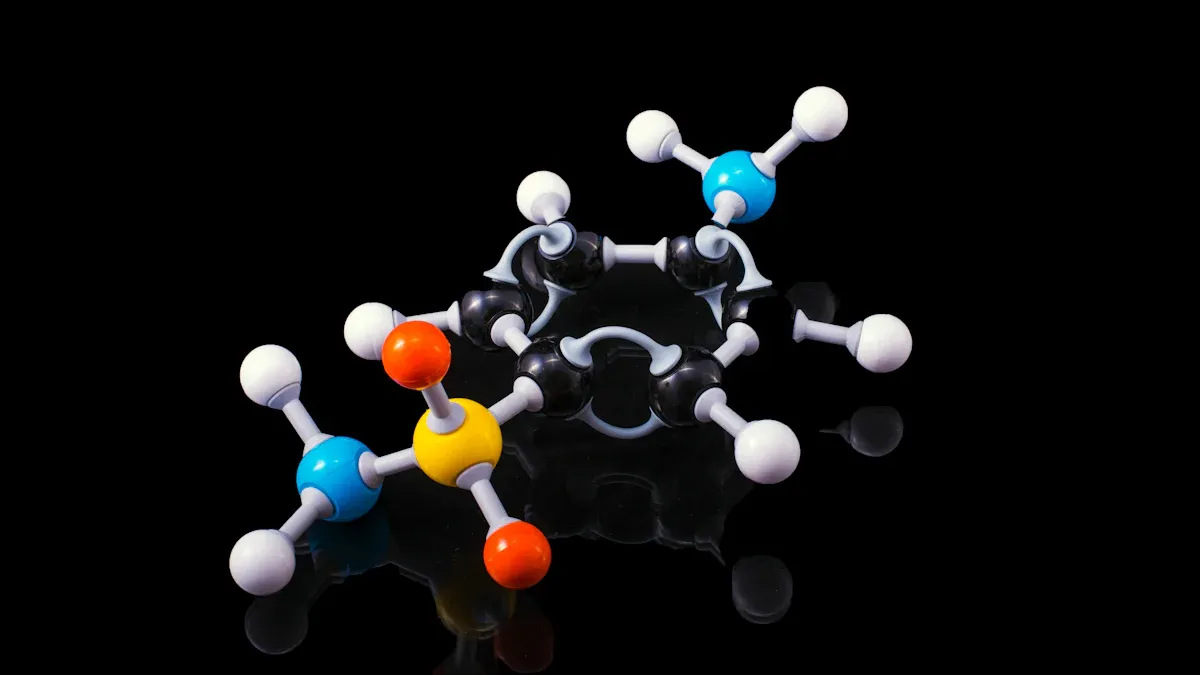
Image Source: unsplash
Chemical shapes guide how additive compounds shield plastic items. Science shows clear work differences between them. Small molecule types differ from polymeric flame retardant choices.
Small molecule flame retardants have light weight. Heat makes light items boil off fast. High factory heat makes small additives evaporate quickly. Heavy polymeric flame retardants resist hot damage. Their long chains stay strong in heat. So, polymeric types keep host plastic strong. They deliver stable flame retardancy over time. New studies show heavy chains cut gas loss.
Small molecules slide easily inside host plastics. They move to the outer surface over time. Experts call this surface buildup "blooming." Water and rain wash those top chemicals away. This loss lowers long-term flame retardancy power. Polymeric flame retardants mix into host chains. Strong physical forces lock them inside tight.
Polymeric flame retardants stop chemical blooming completely. Their large size stops movement through hosts.
Flame Retardant Category | Molecular Weight | Migration Risk | Long-term Flame Retardancy |
|---|---|---|---|
Small Molecule | Low (< 1000 Da) | High (leaches out) | Declines over time |
Polymeric Variant | High (> 10000 Da) | Very Low (bound) | Remains permanent |
Small molecule fire blockers work in gases. Heat snaps their inner chemical links fast. They release small active particles into hot smoke. These particles fight open flames very well. They give high flame retardant efficiency fast.
Polymeric flame retardants work inside solid parts. They form thick surface char during hot fires. Special intumescent flame retardants swell up high. They build a solid shield layer. This layer blocks hot heat and fresh air.
Polymeric Action: Heat Exposure -> Char Layer Formation -> Oxygen Barrier -> High Flame Retardancy
New material science improves these fire methods today. Makers mix additives into flame-retardant composites. These flame-retardant composites create better flame-retardant materials. They offer high fire safety for everyone.
Image Source: pexels
Tiny parts escape host plastics fast. They slip into dusty homes. They touch indoor clothing. They reach human skin. Easy movement creates health risks. New tests show these parts build up. Tissues trap them over time. Living bodies absorb these bits. Contact spreads chemical harm. Environmental impacts damage nature today. Long exposure causes health risks.
Small molecule flame retardants have tiny shapes. These mobile agents lack strong bonds. They do not hold polymers well. So, tiny bits reach air. They pollute fresh soil too. Water life eats these waste bits. Tests prove tiny compounds stack up. They fill fat tissue layers. Bodies cannot flush them out. Food chains face real danger. Officials ban these dangerous bits.
Strict eco rules demand safe goods. Groups track toxic chemical movement. Nature needs clean air now. Global rules ban unsafe fire blockers. Electronics must stay safe. Agencies limit dangerous additive bits. European laws stop toxic classes. Factory rules restrict them today.
Flame Retardant | CAS Number | RoHS Status | REACH Status |
|---|---|---|---|
Decabromodiphenyl ether (DecaBDE) | 1163-19-5 | Restricted to ≤0.1% | SVHC, Annex XVII Restricted |
Polybrominated Biphenyls (PBBs): Added fire blockers in plastic parts face bans.
Polybrominated Diphenyl Ethers (PBDEs): Electric plastic fire blockers face fast bans.
Rules ban older fire blockers now. Makers shift to safer options. They pick locked fire blockers. This choice stops environmental harm. Standards demand safe fire protection. No toxic leaks happen.
Big polymeric flame retardant chains fix leaks. Long chains trap inside host plastics. Physical force locks chemistry inside. Modern flame-retardant materials stop leaks. Fire blockers stay inside resins. Big choices keep stable flame retardancy. Heat stays high during tests. Strong flame-retardant materials protect goods.
Polymeric Protection: Entangled Chains -> No Migration -> Permanent Flame Retardancy -> Eco Compliance
Factories demand strong flame-retardant composites. Engineers mix halogen-free flame retardants. Clean resins make good parts. Safe choices help nature grow. Tests show flame-retardant composites work. They keep strong flame retardancy. Polymer types keep flame retardancy safe. No toxic dust leaves plastics. Factories pick fixed choices today. This stability gives strong flame retardancy. Polymeric builds make green goods. Green tech uses strong plastics.
Small molecules weaken host plastics. Heavy flame retardants save host plastic structures. New tests prove this clearly. Polymeric flame retardants keep parts strong under stress. They fix plastic softening problems in high-stress uses.
Parameter / Metric | Value / Description |
|---|---|
Polymeric FR System | Brominated polycarbonate (Br-PC) with Antimony pentoxide (Sb₂O₅) synergist |
Molecular Weight (Mw) & Tg | High molecular weight (Mw > 20,000 g/mol) and high glass transition temperature (Tg > 150°C) |
Plasticization Effect | Minimal to no significant plasticization (unlike low-MW retardants) |
Creep Resistance Performance | Maintains long-term creep strain under 2.0% after 1,000 hours at 80°C and 8 MPa load |
Flame Retardancy Standard | Achieves UL 94 V-0 rating at 0.8 mm thickness |
Engineers pick polymeric types for hot flame-retardant composites. These flame-retardant composites resist bending very well. They show strong physical performance too. Modern flame-retardant materials stay tough for years.
Chosen additives change how hot plastic flows. Tiny additives lower hot liquid thickness. Polymeric flame retardants make hot liquid thicker. This thickness change shifts factory jobs. It alters plastic shaping and extrusion.
Thick hot plastic protects flame-retardant composites while shaping.
Various additives change plastic fire power. Experts add intumescent flame retardants for charring. They grow thick solid fire shields. These shields block intense heat well. Good flame retardants help fast factory shaping. They increase structural fire protection too.
Even spreading gives top fire protection everywhere. Matched flame retardants mix smoothly into plastics. Fine mixing builds better flame retardancy overall. It aids complex technical part designs.
Compatibility Steps: Polymer Selection -> Uniform Dispersion -> Stable Flame Retardancy
Experts check how advanced flame-retardant materials mix. Tests show polymeric flame retardants stay locked. Their big chains stop separation inside flame-retardant composites.
Even spreading gives high flame retardancy everywhere. Equal mixing helps each main flame-retardant mechanism. This high power gives solid flame retardancy. It works great in factory flame-retardant composites. Safe flame retardants offer permanent flame retardancy forever. Good mixing holds flame retardancy during hard use. Strong flame retardancy ensures safe long-term protection. Fixed networks keep strong flame retardancy going. Special additives raise flame retardancy in heat.
Makers use clear paths to choose fire blockers. Product lifespans guide these chemical choices. Daily use conditions show the best option.
Selection Pathway:
1. Define Application Lifecycle -> 2. Check Processing Temperature -> 3. Evaluate Regulatory Limits -> 4. Select Additive Class
Engineers use step plans to make plastics:
Short-life needs: Pick small options for quick trash items.
Long-life needs: Pick big options for tough items.
High-heat needs: Pick heavy chains to stop heat damage.
Official rules set tests for new products. The UL 94 test burns test plastics directly. Makers check flame times to rank performance.
Fast fire blockers must stop flames quickly without drips.
Small options stop gas flames fast. They help thin parts pass strict tests. Polymeric types build solid char shields. They stop fire drips during long tests.
Standard / Test | Key Target Metric | Preferred Additive Type | Application Focus |
|---|---|---|---|
UL 94 V-0 | Stop burning within 10s, no drips | Polymeric or Small Molecule | Electronics housing application |
ISO 4589-2 (LOI) | Minimum oxygen concentration > 32% | Polymeric variant | Transport application |
EN 45545-2 | Low smoke toxicity and high fire performance | Polymeric variant | Rail vehicle application |
New tests show polymeric choices protect transit systems. Big chains cut toxic smoke to pass tests.
Hot factory machines limit additive choices. High heat boils off light parts fast. This loss cuts fire power and clogs vents.
Big polymeric chains handle hot heat well. They survive heat over 300°C easily. Factories mix parts fast without damage.
Thermal Stability Check:
Small Molecules  ---> Degradation / Gas Loss Above 220°C
Polymeric Chains ---> Stable Structure Up To 350°C
Tests prove heavy additives stay safe in plastics. They keep fire safety through recycling steps.
Makers weigh raw prices against future rule costs. Small options cost less for simple goods. But law bans cause high money risks.
Total Cost Calculation = Initial Chemical Cost + Compliance Risk + Processing Loss
Polymeric options cost more money at first. Yet fixed additives stop costly product recalls.
Small molecule economic profile: Low buy cost, high leak risk, lower safety over time.
Polymeric economic profile: High buy cost, no leaks, permanent fire protection for life.
Engineers pick polymeric options for global sales access. Modern uses need fixed fire power. Factories choose big chains to guard users and profits. Safe modern choices protect nature for years.
Small options offer cheap fire protection for short-life items.
Polymeric flame retardants dominate tough engineering plastics.
They resist leaching very well.
They offer strong chemical permanence.
Engineers must study each flame-retardant mechanism before choosing.
Formulators pick best fire blockers by balancing three factors:
Leaching resistance stops chemical loss over time.
Host polymers keep physical strength under stress.
Global regulatory standards ensure safety and compliance.
Right choices ensure long-term flame retardancy in heat.
Advanced flame-retardant materials keep strong physical strength.
They maintain permanent flame retardancy for modern products.
Heavy polymeric flame retardants weigh over 10,000 Daltons. Their big size stops chemical leaks. Small molecules fight gas flames fast. Yet, they slip out over time.
Polymeric structures link into host plastics directly. This tight grip stops chemical leaks completely.
So, host plastics keep permanent flame retardancy forever. They hold stable flame retardancy in wild weather.
Chemical movement pushes small additives into dusty rooms. This loss lowers inner fire protection over time. Thus, host items lose flame retardancy fast outdoors. Extreme heat also cuts flame retardancy quickly.
Polymeric options fit outdoor cars best. Their non-leaching nature stops rain washes. They offer lasting flame retardancy and tough strength. They keep flame retardancy under heavy weight.
Factory heat breaks light molecules above 220°C. Polymeric options handle hot mixing up to 350°C. They protect tools and keep parts strong. They ensure high flame retardancy in heat. They also supply flame retardancy during recycling.


