


Views: 0 Author: Site Editor Publish Time: 2026-03-19 Origin: Site


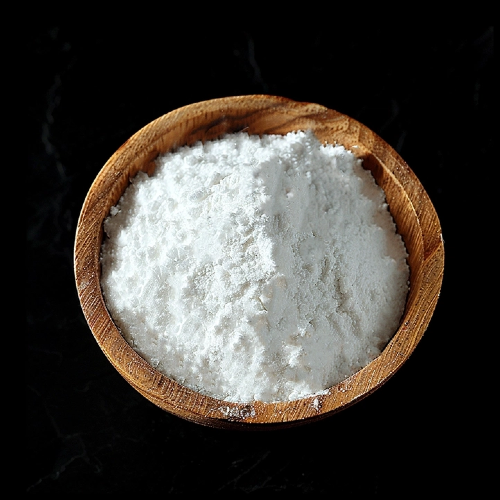
Decabromodiphenyl Ethane (DBDPE) is a brominated flame retardant used primarily in plastics, textiles, and electronic devices. It is a halogenated compound, meaning it contains bromine atoms, which are highly effective in inhibiting the spread of flames. DBDPE is often incorporated into materials that are prone to fire hazards, offering enhanced fire resistance to various consumer and industrial products.
This compound is widely used due to its chemical stability, thermal resistance, and long-lasting flame-retardant properties, making it essential for improving fire safety standards in a range of industries, from electronics to automotive manufacturing.
Despite its widespread application, questions have been raised about its toxicity and environmental impact. These concerns are especially relevant as regulatory bodies around the world continue to enforce stricter environmental and safety guidelines. This article aims to provide a comprehensive analysis of DBDPE’s potential toxicity, its safety profile, and its impact on human health and the environment.
To better understand whether Decabromodiphenyl Ethane is toxic, it's essential to first look at its chemical composition and stability.
DBDPE consists of a diphenyl ethane backbone with ten bromine atoms attached to the aromatic rings. This specific structure gives it its flame-retardant properties. The presence of the bromine atoms is crucial because they are electronegative and capable of disrupting the combustion process by interacting with free radicals produced during the burning of materials. As a result, DBDPE effectively prevents ignition and slows down the spread of flames.
One of the reasons DBDPE is preferred in industrial applications is its chemical stability. The molecular structure of DBDPE is resistant to thermal degradation, meaning it does not easily break down at high temperatures. This stability allows it to maintain its flame-retardant properties for extended periods, even under harsh conditions. It is this stability that has made DBDPE a preferred choice in industries like electronics and automotive manufacturing, where materials must withstand long-term exposure to high heat.
Property | Description |
Molecular Formula | C12H4Br10 |
Melting Point | 319 - 321°C |
Boiling Point | 600°C (decomposes) |
Density | 2.2 - 2.3 g/cm³ |
Solubility | Insoluble in water, soluble in organic solvents |
Flame Retardant Rating | High performance in reducing flammability |
This table provides an overview of DBDPE’s physical and chemical properties, which contribute to its stability and effectiveness as a flame retardant.
Decabromodiphenyl Ethane’s toxicity has been evaluated in various scientific studies, especially considering its widespread use in consumer and industrial products. The primary concerns regarding DBDPE’s toxicity relate to its potential bioaccumulation, endocrine disruption, and environmental persistence.
While most studies indicate that DBDPE is not acutely toxic to humans, its chronic toxicity has raised concerns. Research suggests that long-term exposure to brominated flame retardants (including DBDPE) can lead to accumulation in human tissues, especially in individuals working in industries that manufacture or process products containing DBDPE. The accumulation of these compounds in fat tissue is often a cause for concern.
However, DBDPE has low acute toxicity, and studies have shown that it does not cause immediate harm through skin contact, inhalation, or ingestion at levels typically encountered in industrial settings. The LD50 (lethal dose for 50% of the population) for DBDPE is high, meaning it is not highly toxic in the short term.
Compared to other brominated flame retardants such as decabromodiphenyl ether (DecaBDE), DBDPE is considered to be less toxic. DecaBDE has been classified as a persistent organic pollutant (POP) by some regulatory bodies, and studies have suggested that it is more likely to accumulate in living organisms and potentially cause endocrine disruption. In contrast, DBDPE is believed to have a lower potential for bioaccumulation.
Environmental studies on DBDPE have shown that it is persistent in aquatic ecosystems and sediments, but it is less likely to bioaccumulate compared to other brominated compounds. Some laboratory tests have shown that DBDPE can have toxic effects on aquatic life, particularly affecting aquatic invertebrates and fish. These findings have prompted the need for further research to assess its long-term effects on ecosystems.
Given the widespread use of Decabromodiphenyl Ethane, regulatory agencies around the world have set guidelines to ensure its safe use in consumer and industrial products. These standards are designed to protect human health, prevent environmental contamination, and reduce potential risks associated with exposure.
In the European Union, the REACH (Registration, Evaluation, Authorisation, and Restriction of Chemicals) regulation governs the use of chemicals like DBDPE. REACH requires that substances be registered for safe use, and manufacturers must demonstrate that the substances are safe for both human health and the environment before they can be used in products. DBDPE is currently registered under REACH but must comply with safety assessments to ensure it poses no significant risk.
The U.S. Environmental Protection Agency (EPA) has also conducted assessments of brominated flame retardants, including DBDPE. While the EPA does not classify DBDPE as highly toxic, it has issued recommendations for proper handling and disposal to prevent environmental contamination.
DBDPE is used in many electronic products that are required to comply with the RoHS (Restriction of Hazardous Substances) directive in the European Union. RoHS restricts the use of hazardous materials, including certain flame retardants, in electrical and electronic equipment. While DBDPE is not explicitly banned under RoHS, manufacturers must adhere to specific concentration limits to ensure safety and minimize risk.
DBDPE is incorporated into products across multiple industries, including electronics, automotive, textiles, and building materials. As a result, manufacturers must follow strict safety guidelines to ensure that it is used appropriately and that consumers are not exposed to harmful levels of this compound.
Products like electronics, automotive materials, and upholstery may contain DBDPE, but the amount used is regulated to ensure it does not pose a risk to human health. Manufacturers are required to conduct safety assessments to measure potential exposure levels and ensure that products meet established safety standards.
For example, in electronics, DBDPE is used in components such as wires, cables, and printed circuit boards (PCBs). These products are designed to meet fire safety standards without posing a risk to the consumer. Similarly, in the automotive industry, DBDPE is used in interior components like seats, dashboards, and floor mats, where it improves safety by reducing fire risk.
In industrial settings, workers who handle DBDPE during its manufacture or processing must wear protective gear and adhere to safety protocols. The use of ventilation systems and personal protective equipment (PPE) helps minimize exposure to potentially harmful levels of DBDPE dust or fumes. Additionally, waste management procedures ensure that materials containing DBDPE are disposed of safely and do not enter the environment.
As with many chemicals, the environmental impact of Decabromodiphenyl Ethane is a crucial concern. Manufacturers and researchers are focusing on ensuring that DBDPE’s environmental footprint is minimized and that it is safely managed at the end of its product life cycle.
DBDPE is classified as persistent in the environment, meaning it does not break down easily. When it is used in products like plastics and textiles, it can end up in landfills or be released into waterways during manufacturing or disposal processes. Once in the environment, DBDPE can persist for long periods, potentially affecting ecosystems.
Efforts to reduce the environmental impact of DBDPE include:
Recycling and Reuse: Manufacturers are exploring methods to recycle products containing DBDPE and reuse them in new applications.
Safer Alternatives: Research is ongoing to identify and develop safer, non-toxic alternatives to DBDPE that do not have the same environmental persistence or potential for harm to ecosystems.
Based on available scientific research, Decabromodiphenyl Ethane (DBDPE) is not considered highly toxic, especially in terms of acute human health risks. It has low toxicity in relation to skin contact, inhalation, and ingestion at typical exposure levels. However, like many brominated flame retardants, DBDPE does raise concerns regarding chronic exposure, bioaccumulation, and environmental persistence.
At Weifang Qianghao Chemical Co., Ltd., we prioritize safety and regulatory compliance in all of our products. We adhere to stringent guidelines to ensure that DBDPE is used responsibly, minimizing any potential environmental impact. Our team continuously works to meet the highest safety standards, offering reliable and effective solutions for industries where fire resistance is essential.
If you're looking to learn more about DBDPE or need high-quality flame retardant products for your business, we invite you to connect with us. Our experts are available to guide you in choosing the right solutions and ensuring compliance with safety regulations. Reach out today to explore how we can support your needs.
DBDPE is primarily used as a flame retardant in a wide range of industries including electronics, automotive, furniture, and building materials.
While DBDPE is low in acute toxicity, long-term exposure to brominated flame retardants may lead to bioaccumulation in human tissues, posing concerns for chronic health effects.
Yes, DBDPE is persistent in the environment, meaning it does not easily degrade, leading to potential accumulation in waterways and soil.
DBDPE is regulated under various safety frameworks, including REACH in Europe and RoHS for electronic products, to ensure its safe use in consumer goods.
Yes, when used within regulatory limits and following safety standards, DBDPE is considered safe for use in consumer products such as electronics, automotive interiors, and upholstery.


