



| Quantity: | |
|---|---|


Poly-Pentabromobenzyl Acrylate (Brominated R-1025) is a polymer-type brominated flame retardant distinguished by its high molecular weight (50,000–100,000 g/mol) and ultra-high bromine content (≈70%). Unlike low-molecular-weight brominated flame retardants, its polymer structure eliminates migration, blooming, and leaching—ensuring permanent flame-retardant performance in long-service-life products. With a decomposition temperature >320℃ and excellent compatibility with engineering plastics (PC, PC/ABS, PBT), it delivers UL94 V-0 ratings at addition levels of 10–15% while preserving material mechanical properties. Compliant with RoHS 2.0, REACH SVHC, and FDA food-contact standards (for specific grades), it is ideal for high-end applications like thin-walled electronic components, food-contact packaging, and automotive under-the-hood parts. Its granular form also reduces dust during processing, improving workplace safety.
Poly-Pentabromobenzyl Acrylate’s high molecular weight (50,000–100,000 g/mol) prevents it from migrating or leaching out of polymer matrices—even after prolonged exposure to heat, moisture, or solvents. Testing shows no detectable migration (<0.1 ppm) in PC/ABS samples aged at 85℃/85% RH for 1,000 hours, eliminating surface blooming and ensuring consistent flame retardancy over the product’s lifespan. This is critical for food-contact applications (e.g., microwaveable food containers) and electronic components (e.g., PCB connectors) where migration could cause contamination or performance failure.
With a bromine content of ≈70% —one of the highest among polymer-type flame retardants—it delivers exceptional flame-suppression performance. The densely packed bromine atoms in its repeating units release large quantities of bromine radicals during combustion, quickly interrupting the combustion chain. This enables PC/ABS blends to achieve UL94 V-0 (1.6mm) with addition levels as low as 10%, compared to 15–20% for low-molecular-weight alternatives. For example, PC/ABS smartphone chassis with 11% Poly-Pentabromobenzyl Acrylate pass UL94 V-0 and withstand 100 cycles of thermal shock (–40℃ to 85℃) without cracking.
Its decomposition temperature >320℃ and melting point of ≈290℃ make it suitable for processing high-temperature engineering plastics like PC (processing temp: 280–320℃) and PBT (250–280℃). It does not decompose or release toxic gases (e.g., HBr) during extrusion or injection molding, protecting production equipment and ensuring worker safety. Unlike some flame retardants that cause yellowing in PC, it maintains the polymer’s transparency—PC samples with 10% Poly-Pentabromobenzyl Acrylate retain >80% light transmittance (3mm thickness), suitable for transparent components like LED light covers.
The polymer’s compatibility with base plastics minimizes the impact on mechanical strength. PC/ABS blends with 12% Poly-Pentabromobenzyl Acrylate retain >95% tensile strength (≈65 MPa) and >90% impact strength (≈28 kJ/m²) compared to pure PC/ABS. This is because the polymer chains of Poly-Pentabromobenzyl Acrylate interact with the base polymer matrix, reducing brittleness. For automotive under-the-hood parts (e.g., sensor housings), this ensures the components withstand vibration and mechanical stress while meeting flame-retardant standards.
Food-contact-grade Poly-Pentabromobenzyl Acrylate complies with FDA 21 CFR Part 177.2600 and EU Regulation (EC) No 10/2011, making it safe for use in microwaveable food containers, beverage bottle caps, and food processing equipment. It does not leach bromine or other harmful substances into food—even when exposed to high temperatures (120℃) and acidic foods (e.g., tomato sauce). This expands its application to consumer products where safety and flame retardancy are equally critical.
| Specification Items | Details |
| Chemical Identifiers | |
| CAS Number | 59447-57-3 |
| Molecular Formula | (C₁₀H₅Br₅O₂)ₙ (repeating unit; n varies for molecular weight control) |
| Molecular Weight | 50,000–100,000 g/mol |
| Bromine Content | ≈70% (by weight, via X-ray fluorescence) |
| Physical & Thermal Properties | |
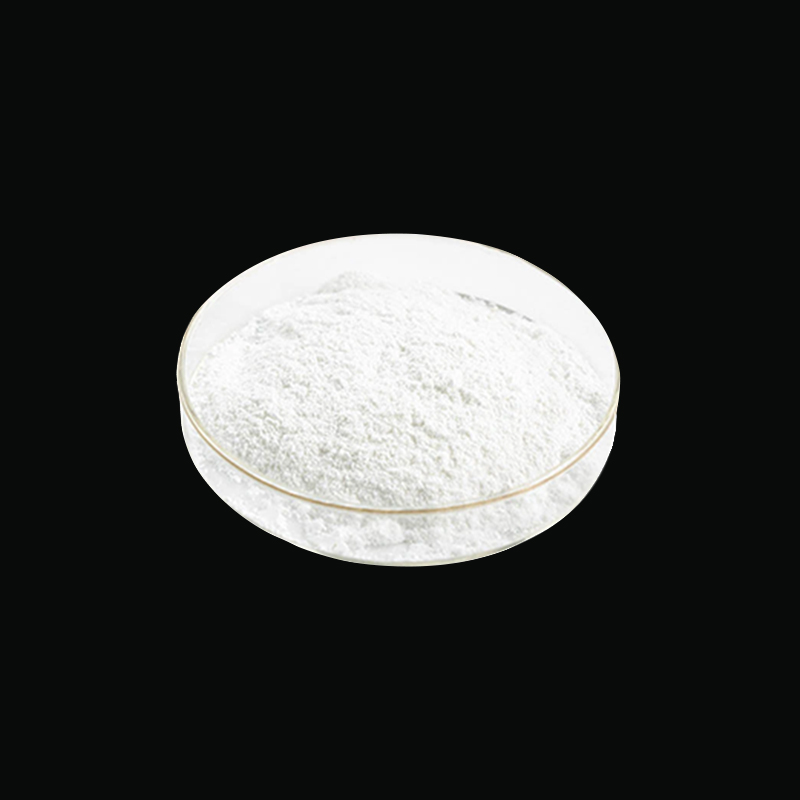
| Appearance | White to off-white granular solid (low dust, easy to handle in extrusion lines) |
| Particle Size | D50≈10–20 μm (optimized for dispersion in polymer melts) |
| Melting Point | ≈290℃ (range: 285–295℃, per ASTM D127) |
| Decomposition Temperature | >320℃ (5% weight loss, TGA under N₂ at 10℃/min) |
| Moisture Absorption | <0.1% (24h @ 23℃, per ISO 62) |
| Solubility | Insoluble in water, ethanol, and common organic solvents |
| Compliance & Formulation | |
| Compliance Standards | RoHS 2.0, REACH SVHC, FDA 21 CFR Part 177.2600 (food-contact grade) |
| Recommended Addition Level | 10–12% (PC/ABS, UL94 V-0); 12–15% (PBT, UL94 V-0); 11–13% (PC, UL94 V-0) |
| Compatible Polymers | PC, PC/ABS, PBT, PET, PMMA (acrylic) |
Poly-Pentabromobenzyl Acrylate is used in thin-walled electronic components like PC/ABS laptop top covers (0.8mm thickness), PC LED light guides, and PBT connector housings. Its low addition level (10–11%) enables miniaturization while meeting UL94 V-0 and IEC 62368-1 (consumer electronics safety). For example, PC LED light guides with 10% of this flame retardant retain >80% light transmittance, ensuring efficient light distribution in automotive headlights and display backlights. Its zero migration also prevents electrical contact failure in connectors, critical for 5G communication devices.
Food-contact-grade Poly-Pentabromobenzyl Acrylate is employed in PP microwaveable food containers and PC beverage bottle caps. Adding 12–13% to PP ensures the containers meet UL94 V-0 (for accidental ignition) and FDA 21 CFR Part 177.2600 (no leaching). For example, PP microwave containers with this flame retardant withstand 120℃ microwave heating without releasing harmful substances, suitable for reheating acidic or oily foods. In food processing equipment (e.g., PC conveyor belts), it resists cleaning chemicals and high temperatures while providing flame protection.
Automotive-grade Poly-Pentabromobenzyl Acrylate is used in PBT sensor housings (e.g., oil pressure sensors) and PC/ABS engine cover components. Its thermal stability (>320℃) withstands under-the-hood temperatures (up to 150℃) and paint curing processes (200℃), while its mechanical retention ensures the parts resist vibration. For example, PBT oil pressure sensor housings with 14% of this flame retardant meet FMVSS 302 and retain structural integrity for 100,000 km of driving, reducing maintenance costs.
Non-implantable medical device enclosures (e.g., PC/ABS ultrasound machine housings) use Poly-Pentabromobenzyl Acrylate for flame protection. Its zero migration prevents contamination of medical equipment, while compliance with RoHS 2.0 ensures global market access. For example, ultrasound machine housings with 12% of this flame retardant pass UL94 V-0 and withstand repeated cleaning with disinfectants (e.g., isopropyl alcohol) without losing performance.
No, its high molecular weight (50,000–100,000 g/mol) prevents migration, blooming, or leaching.
It is compatible with PC, PC/ABS, PBT, PET, and PMMA (acrylic) for diverse high-demand applications.
Yes, specific grades comply with FDA 21 CFR Part 177.2600 and EU Regulation (EC) No 10/2011.
It has an ultra-high bromine content of ≈70%, ensuring superior flame-suppression efficiency.


