



| Quantity: | |
|---|---|


Decabromodiphenyl Ethane is a high-efficiency additive-type flame retardant tailored for engineering plastics and electrical materials. Its defining features—ultra-high bromine content, 345℃ melting point, and excellent environmental compatibility—make it a reliable solution for applications requiring strict fire safety standards. Unlike generic flame retardants, it is engineered to maintain material integrity while delivering superior flame protection, making it ideal for electronics, electrical appliances, and industrial components. Its customizable carrier options and powder-equivalent usage simplify integration, ensuring manufacturers can meet specific formulation needs without disrupting production.
Its ultra-high bromine content is the cornerstone of its flame-retardant performance. During combustion, it releases bromine radicals that interrupt the combustion chain reaction, quickly suppressing flame spread and reducing smoke emission. This ensures end products (e.g., electrical connectors, plastic enclosures) pass rigorous flame tests like UL94 V-0 and IEC 60695. For example, in electrical material applications, it prevents plastic components from igniting and feeding fires, protecting sensitive electronic parts.
Decabromodiphenyl Ethane meets stringent eco-standards for sustainable materials, including RoHS 2.0, REACH SVHC, and California Proposition 65. It contains no restricted substances, making it suitable for export to environmentally regulated regions. This compliance is critical for manufacturers targeting global markets, as non-compliant materials face import bans or penalties. It also supports the shift toward green manufacturing, helping brands build a reputation for environmental responsibility.
With a melting point of 345℃, it exhibits strong thermal stability during high-temperature processing steps like twin-screw extrusion and injection molding. It does not decompose or lose effectiveness when exposed to the high heat required for engineering plastics (e.g., ABS, PC/ABS blends), ensuring consistent flame-retardant performance in the final product. This stability also prevents the formation of toxic byproducts during processing, safeguarding worker health and production quality.
Available as a granulated masterbatch (produced via twin-screw extrusion with nucleating and dispersing agents), it achieves superior dispersion in base resins. Unlike powder flame retardants, which tend to agglomerate and create weak spots, the masterbatch form distributes evenly, ensuring every part of the material has consistent flame retardancy. This uniform dispersion also preserves the mechanical properties of engineering plastics (e.g., impact strength, tensile strength), avoiding performance trade-offs for fire safety.
Designed to match the usage method and addition level of traditional powder flame retardants, it requires no adjustments to existing production lines. Manufacturers can replace powder flame retardants with this masterbatch directly, eliminating the need for equipment modification or operator training. For example, a factory producing electrical appliance housings can switch to the masterbatch without changing injection molding parameters, maintaining production speed and reducing transition costs.
It offers customizable carrier resins (e.g., PP, PE, ABS, PC) to align with different manufacturer formulations. This flexibility ensures optimal compatibility with base materials, preventing issues like phase separation or reduced mechanical performance. For instance, a manufacturer using ABS for electronic enclosures can select an ABS-based carrier, ensuring the flame retardant integrates seamlessly and enhances the enclosure’s fire safety without compromising its structural integrity.
| Item | Specification |
| CAS Number | 84852-53-9 |
| Molecular Formula | C₁₄H₄Br₁₀ |
| Molecular Weight | 971.222 g/mol |
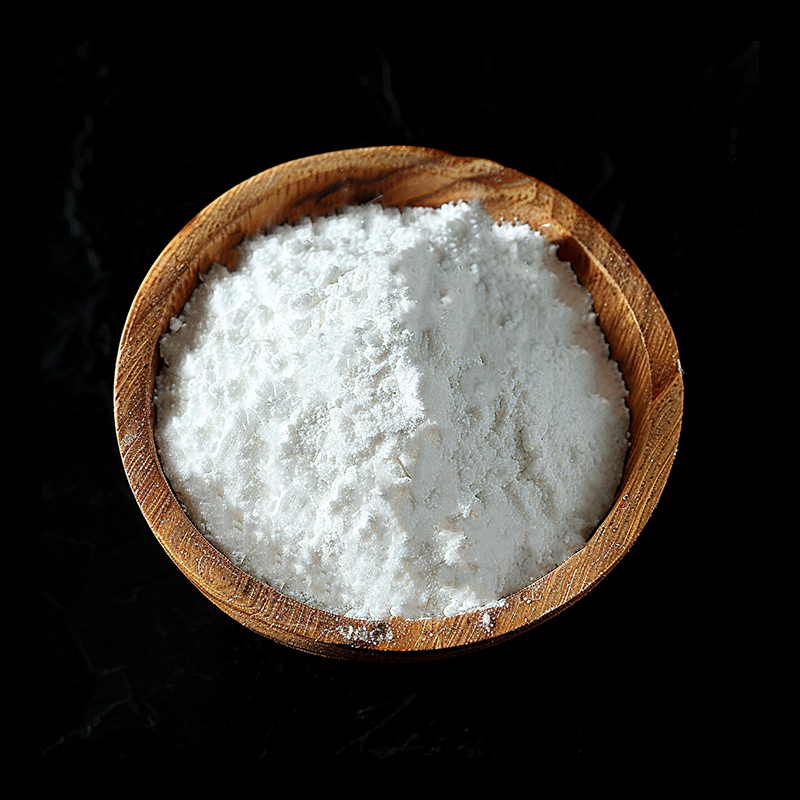
| Appearance | Powder (available as granulated masterbatch) |
| Melting Point | 345℃ |
| Key Features | Ultra-high bromine content; excellent environmental compatibility; high-temperature stability; enhanced dispersion |
| Compliance | Meets RoHS 2.0, REACH SVHC, and California Proposition 65; contains no restricted substances |
| Carrier Options | Customizable (e.g., PP, PE, ABS, PC) |
| Quality Assurance | Complies with industrial flame retardant material standards; batch testing for bromine content, thermal stability, and dispersion |
| Usage Compatibility | Matches the usage method and addition level of traditional powder flame retardants; no production line adjustments required |
In electronics, Decabromodiphenyl Ethane is used in engineering plastics for connectors, sensor housings, and printed circuit board (PCB) components. It protects these parts from fire in case of electrical faults (e.g., short circuits), ensuring devices like smartphones, laptops, and industrial controllers remain safe. For electrical appliances (e.g., refrigerators, air conditioners), it is added to plastic inner components (e.g., motor housings) to prevent fire spread, meeting safety standards like IEC 60335-1.
For electrical materials like wire & cable insulation, motor insulation, and transformer components, it delivers critical flame protection. In power systems, flame-retardant insulation prevents cable fires from spreading to other equipment, ensuring uninterrupted power supply. In communication networks, it protects fiber optic cable sheaths from fire, maintaining signal transmission during emergencies. It meets standards like UL 94 and GB/T 19666, making it suitable for use in data centers, power plants, and telecommunication towers.
In industrial settings, it is used in plastic components for machinery, such as pump housings, valve bodies, and conveyor system parts. These components often operate near heat sources or flammable materials, so flame retardancy is essential. For example, in chemical plants, PEEK pump housings with Decabromodiphenyl Ethane resist both chemical corrosion and fire, ensuring safe operation. It also maintains material integrity in high-temperature industrial environments, avoiding component failure.
In the lighting industry, it is added to plastic LED fixture housings, light switches, and socket components. LED fixtures generate heat during operation, so flame-retardant materials prevent fire risks. For commercial lighting (e.g., office ceilings, retail displays) and residential lighting, it ensures compliance with safety standards like IEC 60598, protecting buildings and occupants from fire hazards. Its uniform dispersion also ensures the plastic housings retain their aesthetic appeal and mechanical strength.
It meets RoHS 2.0, REACH SVHC, and California Proposition 65, containing no restricted substances for global market access.
It is ideal for flame-retardant formulations in engineering plastics and electrical materials like ABS, PC/ABS blends.
With a melting point of 345℃, it remains stable during high-temperature processing such as twin-screw extrusion and injection molding.
Yes, it offers customizable carrier resins (e.g., PP, PE, ABS, PC) to match different manufacturer formulations.


