


Views: 0 Author: Site Editor Publish Time: 2026-03-12 Origin: Site


Decabromodiphenyl Ethane (DBDPE) is a widely used chemical compound primarily recognized for its role as a highly effective flame retardant. It belongs to a family of brominated flame retardants (BFRs), which are used to prevent or slow the spread of fire in a variety of materials, particularly in plastics and textiles. Its molecular structure comprises a diphenyl ethane backbone, which is heavily brominated, providing its flame-retardant properties. The structure and properties of DBDPE make it an invaluable compound in enhancing safety and fire resistance in consumer products.
In recent years, due to the increasing demand for higher safety standards, DBDPE has found wide application in numerous industries such as electronics, automotive, and construction, where fire prevention is crucial. This article provides an in-depth understanding of DBDPE, its uses, environmental considerations, and future potential in flame retardant technologies.
Decabromodiphenyl Ethane is a brominated flame retardant characterized by its highly brominated chemical structure. It is chemically formulated to improve the fire resistance of various materials. The chemical formula for DBDPE is C12H4Br10, which indicates it contains twelve carbon atoms, four hydrogen atoms, and ten bromine atoms. The heavy bromination in its structure allows it to absorb and dissipate heat, making it an efficient fire retardant.
DBDPE is produced through a process called bromination, where bromine is introduced into the diphenyl ethane backbone, leading to its high bromine content. The compound is known for its low volatility and high thermal stability, making it suitable for use in a wide range of high-temperature environments.
Property | Description |
Chemical Formula | C12H4Br10 |
Molecular Weight | 1003.7 g/mol |
Appearance | White to pale yellow crystalline solid |
Melting Point | 195–200°C |
Boiling Point | Decomposes before boiling |
Solubility | Slightly soluble in organic solvents |
Thermal Stability | Stable at high temperatures (up to 300°C) |
Flame Retardancy | High flame-retardant efficiency, especially in polymers |
These key properties make DBDPE an ideal flame retardant for materials subjected to heat and fire risks, such as in electronics, textiles, and construction materials.
Decabromodiphenyl Ethane is widely used as a flame retardant due to its effectiveness in preventing the spread of flames. It is primarily used in polymers, textiles, and electrical components, offering a high degree of fire resistance. Its applications span multiple industries, each of which benefits from its exceptional fire protection properties.
DBDPE is primarily used in polymer materials, which are commonly found in construction materials, furniture, and other products exposed to high temperatures or fire risks. The flame-retardant properties of DBDPE help enhance the safety of these materials and ensure compliance with fire safety standards.
In the electronics industry, DBDPE is incorporated into products like circuit boards, wiring insulation, and consumer electronics. These applications are especially critical as electronics often generate heat during operation and can be prone to fire hazards. The incorporation of DBDPE improves the safety of electronic devices and prevents the rapid spread of flames in case of malfunction.
Textile applications also benefit from DBDPE. Flame-resistant fabrics used in protective clothing, upholstery, and drapery often contain DBDPE. These fabrics are used in environments where fire hazards are prevalent, such as in industrial workspaces, transportation, and public spaces. The flame retardant ensures that the fabrics meet safety standards and provide adequate protection.
In the automotive industry, DBDPE is used in the production of interior materials, including seat covers, carpets, and door panels. These materials are essential for ensuring that the vehicle's interior does not contribute to the spread of fire in the event of an accident or fire.
DBDPE is also applied to construction materials like insulation, cables, and roofing materials. Buildings and infrastructure need to meet strict fire safety codes, and the use of flame retardants like DBDPE ensures that these materials are resistant to fire, protecting both the structure and the people inside.
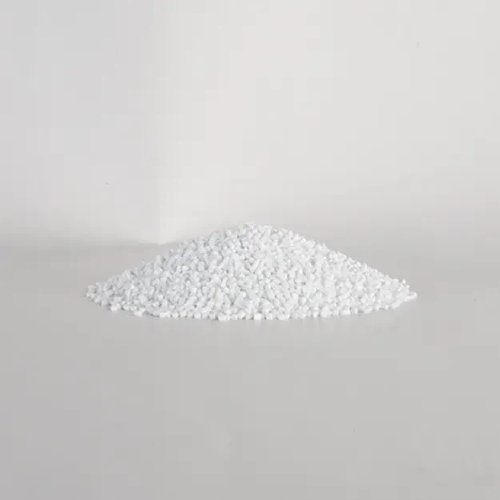
Decabromodiphenyl Ethane works as a flame retardant through its ability to absorb and dissipate heat, preventing the ignition and spread of flames in materials. When exposed to high temperatures, DBDPE releases bromine atoms, which act as a barrier to the spread of fire by interrupting the chemical reactions necessary for the combustion process.
DBDPE works by releasing bromine atoms when exposed to heat. These bromine atoms interfere with the free radicals that are responsible for sustaining the flame in a material. By disrupting these reactions, DBDPE slows down the combustion process, allowing for better control of fires and reducing the risk of material ignition.
Property/Comparison | Decabromodiphenyl Ethane | Other Common Flame Retardants (e.g., TBBPA) |
Bromine Content | 10 bromine atoms | Varies (e.g., TBBPA has 2 bromine atoms) |
Flame Retardant Efficiency | High | Moderate to high, depending on type |
Thermal Stability | Very high (up to 300°C) | Moderate to high |
Environmental Impact | Low biodegradability | Varies (e.g., TBBPA has lower impact) |
As shown in the table, Decabromodiphenyl Ethane offers significant advantages in terms of its high bromine content and thermal stability, which makes it highly effective compared to other commonly used flame retardants.
While Decabromodiphenyl Ethane has excellent flame-retardant properties, its environmental impact remains a critical area of research. Brominated flame retardants, including DBDPE, have been scrutinized due to concerns about their persistence in the environment and potential accumulation in living organisms. Research is ongoing to evaluate the long-term ecological impact of DBDPE and explore alternatives that are more environmentally friendly.
DBDPE is known to be persistent in the environment. It does not easily degrade, which raises concerns regarding its accumulation in ecosystems. This persistence is especially problematic in aquatic environments, where the compound could potentially affect aquatic life. In addition, bromine compounds can accumulate in the food chain, posing a potential risk to human health.
Several global regulatory frameworks govern the use of Decabromodiphenyl Ethane to mitigate environmental and health risks. For example:
RoHS (Restriction of Hazardous Substances): Limits the use of certain hazardous substances in electrical and electronic equipment, including certain flame retardants like DBDPE.
REACH (Registration, Evaluation, Authorization, and Restriction of Chemicals): Regulates the production and use of chemical substances within the European Union, including assessments of their environmental and health impacts.
As concerns about environmental persistence grow, researchers are focusing on developing alternative flame retardants that are more biodegradable and less toxic. These alternatives are expected to maintain fire protection standards while reducing environmental harm.
The future of Decabromodiphenyl Ethane lies in its potential to evolve alongside technological advancements in flame retardant chemistry. Research and development efforts are focused on improving the environmental profile of DBDPE while retaining its high effectiveness as a flame retardant.
Sustainability: The demand for more sustainable flame retardants is growing. Future flame retardants may feature greener chemical profiles that are biodegradable and less harmful to ecosystems.
Innovations in Materials: As industries evolve, there is a push for flame retardants that work in new types of materials, including nanomaterials and bio-based polymers. DBDPE could play a role in these emerging applications if its environmental impact is addressed.
With increasing global regulations and safety standards, the market for flame retardants like DBDPE is expected to grow, particularly in developing regions that are focusing on improving safety in building materials and consumer electronics. However, as alternatives emerge, the demand for traditional flame retardants may eventually stabilize or decline, with a shift towards more sustainable solutions.
Decabromodiphenyl Ethane plays a crucial role in flame retardancy due to its exceptional effectiveness in preventing fire spread across various industries, including electronics, automotive, and construction. As demand for enhanced safety grows, this compound continues to be a vital ingredient in numerous applications, providing reliable fire protection for materials exposed to high risks. However, with rising environmental concerns and tightening regulations, there is a strong push towards more sustainable and eco-friendly alternatives.
At Weifang Qianghao Chemical Co., Ltd., we are committed to staying ahead of these trends. As experts in the field of chemical engineering and flame retardancy, we are constantly researching and developing solutions that meet both safety standards and environmental requirements. Our products, including Decabromodiphenyl Ethane, offer high performance while maintaining a focus on sustainability.
If you are looking for top-quality flame retardants and expert solutions tailored to your needs, we invite you to connect with us. Our team is ready to provide valuable insights and help you choose the right products to ensure the safety and reliability of your materials. Reach out to us today to explore how we can support your fire safety goals.
Q1: What are the primary uses of Decabromodiphenyl Ethane?
A1: Decabromodiphenyl Ethane is primarily used as a flame retardant in various industries such as electronics, automotive, textiles, and building materials. Its key function is to prevent or slow down the spread of fire in materials like plastics, fabrics, and electrical components.
Q2: How does Decabromodiphenyl Ethane work as a flame retardant?
A2: Decabromodiphenyl Ethane works by releasing bromine atoms when exposed to heat. These bromine atoms interrupt the chemical reactions necessary for combustion, thus reducing the spread of flames and making materials less likely to catch fire.
Q3: Is Decabromodiphenyl Ethane environmentally friendly?
A3: While Decabromodiphenyl Ethane is effective in its flame retardant role, it has been noted for its environmental persistence. Research is ongoing to find more sustainable alternatives that are biodegradable and have less ecological impact.
Q4: How is Decabromodiphenyl Ethane produced?
A4: Decabromodiphenyl Ethane is produced through a bromination process, where bromine atoms are introduced into the diphenyl ethane backbone. This process results in a highly brominated compound with excellent flame retardant properties.
Q5: What industries use Decabromodiphenyl Ethane?
A5: Industries that use Decabromodiphenyl Ethane include electronics, automotive, textiles, and construction. It is widely used in materials such as circuit boards, insulation, upholstery, and building materials to ensure fire safety.


