


Views: 0 Author: Site Editor Publish Time: 2026-03-26 Origin: Site


Decabromodiphenyl Ethane (often abbreviated as DBDE) is a widely used chemical compound, primarily employed as a flame retardant in various industries such as textiles, electronics, and automotive manufacturing. Flame retardants like DBDE play a critical role in reducing the risk of fire-related hazards by inhibiting or delaying the ignition of materials. This substance has been particularly favored in industries that require materials to resist combustion, such as the production of electrical components, automotive parts, and furniture.
Understanding the solubility of Decabromodiphenyl Ethane is crucial, as it affects its application and behavior in both industrial processes and the environment. Solubility plays a significant role in how effectively DBDE can be integrated into products and how it behaves in different environments, such as in various solvents or water systems. By examining the solubility of this compound, manufacturers and researchers can optimize its usage and predict how it might behave in various conditions, whether it’s in the production process, within the final product, or when disposed of in the environment. This article will explore the solubility characteristics of Decabromodiphenyl Ethane, factors affecting it, and the practical implications for its use in industrial settings.
Decabromodiphenyl Ethane is a brominated flame retardant, which means it contains multiple bromine atoms within its molecular structure. It is formed by attaching two phenyl groups (a six-membered aromatic ring) to an ethane backbone, with ten bromine atoms strategically placed on the phenyl groups. The compound is known for its flame-retardant properties due to the bromine atoms, which interfere with the free radical processes that sustain combustion.
Molecular Formula: C12H4Br10
The molecular formula indicates that DBDE consists of twelve carbon atoms, four hydrogen atoms, and ten bromine atoms.
Appearance: Typically a white, crystalline solid
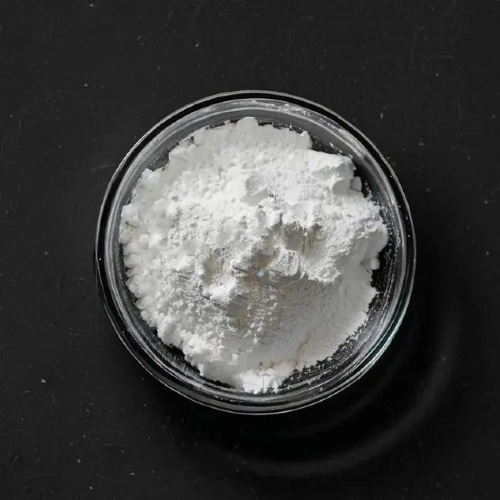
The compound appears as a white powder or crystalline solid at room temperature, which is typical for many brominated compounds used in industrial applications.
Molecular Weight: 959.68 g/mol
The molecular weight of DBDE indicates that it is a relatively large and heavy molecule compared to simpler organic compounds. Its large molecular size contributes to its chemical stability and ability to resist combustion.
Uses: DBDE is primarily used as a flame retardant in materials such as plastics, textiles, and electrical components. It is often chosen for its high efficiency in preventing combustion, especially in applications where materials are exposed to high temperatures or open flames.
Stability: DBDE is known for its chemical stability, making it effective over long periods in industrial applications. This stability is due to the strong bonds between the bromine atoms and the phenyl groups, as well as the lack of reactive functional groups that might degrade over time.
The structure of Decabromodiphenyl Ethane is integral to its function as a flame retardant, as the bromine atoms interrupt the free radical reactions that sustain combustion. However, this structure also influences its solubility, making it crucial to understand how it interacts with various solvents and environments.
Solubility is the ability of a substance to dissolve in a solvent, forming a homogeneous mixture. Decabromodiphenyl Ethane is a non-polar compound, and its solubility is therefore primarily influenced by the type of solvent used. The nature of the solvent – whether it is polar or non-polar – plays a significant role in determining whether DBDE will dissolve effectively. Since DBDE is a relatively non-polar molecule, it is more likely to dissolve in non-polar solvents.
Decabromodiphenyl Ethane exhibits high solubility in several organic solvents, due to its non-polar nature. Non-polar solvents, which lack significant electronegativity differences between their atoms, interact more easily with non-polar molecules like DBDE. Some common organic solvents that dissolve DBDE efficiently include:
Toluene
Toluene is a widely used aromatic solvent that is very effective at dissolving DBDE. Its non-polar nature makes it a good solvent for a wide range of hydrophobic chemicals, including many flame retardants.
Acetone
Acetone, a ketone solvent, has a moderate polarity, making it capable of dissolving some non-polar compounds. It works well with DBDE, although its ability to dissolve DBDE is not as strong as solvents like toluene or chloroform.
Chloroform
Chloroform is another halogenated solvent that is highly effective in dissolving DBDE. It is a versatile solvent that is used in both laboratory and industrial applications to dissolve a variety of organic compounds.
Methanol
Methanol is a polar solvent, but it still dissolves DBDE to some extent, though not as efficiently as the more non-polar solvents listed above.
Like many hydrophobic compounds, Decabromodiphenyl Ethane has low solubility in water. The water molecules, being highly polar, do not interact well with the non-polar Decabromodiphenyl Ethane molecule, making it poorly soluble in aqueous environments. Water’s hydrogen bonds make it more likely to interact with other polar molecules, pushing non-polar compounds like DBDE out of solution. As a result, DBDE does not dissolve well in water, which has important implications for its environmental behavior and the choice of solvents in industrial applications.
DBDE also shows solubility in oils and other hydrophobic solvents. Its solubility in oils is similar to that of other brominated compounds, which are often used in oil-based flame retardant formulations. The non-polar nature of oils makes them ideal solvents for DBDE, allowing it to be effectively incorporated into formulations used in products like lubricants and coatings.
Solvent Type | Solubility | Comments |
Water | Very Low | Due to its non-polar structure, DBDE does not dissolve well in water. |
Toluene | High | An aromatic hydrocarbon solvent that efficiently dissolves DBDE. |
Acetone | Moderate to High | A polar solvent with moderate solubility for DBDE. |
Chloroform | High | A halogenated solvent that dissolves DBDE well. |
Methanol | Low to Moderate | A polar solvent with limited solubility for DBDE. |
Oils | High | DBDE is highly soluble in various oils and lipophilic solvents. |
Several factors influence the solubility of Decabromodiphenyl Ethane in different solvents. These include temperature, molecular structure, and the nature of the solvent itself. Understanding these factors helps in predicting how DBDE will behave in different industrial settings and environmental conditions.
The molecular structure of DBDE plays a critical role in determining its solubility. The bromine atoms attached to the phenyl groups increase the compound's overall non-polarity. Non-polar compounds tend to be more soluble in non-polar solvents and less soluble in polar solvents, such as water. The placement of the bromine atoms on the phenyl rings adds to the hydrophobicity of DBDE, making it resistant to dissolving in water or other polar solvents.
Temperature is another important factor. In general, increasing the temperature can increase the solubility of many compounds, including Decabromodiphenyl Ethane, in solvents. Higher temperatures provide more energy, which helps to break the intermolecular forces between molecules, allowing them to dissolve more readily in the solvent. However, this effect can vary depending on the solvent. For instance, in some solvents, high temperatures may cause the solute to degrade or react, so it is important to balance temperature with solvent stability.
Decabromodiphenyl Ethane interacts with solvents primarily through van der Waals forces and hydrophobic interactions. Since DBDE is non-polar, it is more likely to interact with non-polar solvents, where the molecular interactions can stabilize the solute within the solvent medium. The absence of polar functional groups in DBDE reduces its ability to form hydrogen bonds, which is one of the key reasons it is poorly soluble in polar solvents such as water.
Understanding the solubility of Decabromodiphenyl Ethane is essential for its industrial applications. From the formulation of flame-retardant products to environmental concerns, solubility influences many aspects of the material's use and disposal.
Decabromodiphenyl Ethane is often used in plastic and textile industries to produce flame-resistant materials. Its solubility in various solvents allows it to be effectively incorporated into these materials. For example, high solubility in organic solvents allows DBDE to be easily mixed into polymer matrices during the manufacturing process. This solubility ensures that the flame-retardant properties are uniformly distributed throughout the material, providing consistent protection against fire hazards.
The solubility of Decabromodiphenyl Ethane affects its performance in industries such as:
Textiles: In textile applications, the ability to dissolve DBDE in solvents ensures it can be uniformly applied to fabrics, enhancing their flame retardant properties. This uniform distribution of the compound ensures that the fabric retains its durability while gaining enhanced resistance to fire.
Electronics: For electronics, where flame retardants are used in the production of circuit boards, DBDE’s solubility ensures that it disperses evenly and effectively slows down the combustion process. This helps prevent potential fire hazards in electrical components.
To understand the solubility of Decabromodiphenyl Ethane, it is typically measured using standard laboratory methods. These methods include:
Solubility in Solvents: DBDE is dissolved in a known volume of solvent, and the solubility is determined by measuring the concentration of DBDE that has dissolved. This method is simple and effective for determining the solubility of DBDE in various solvents.
Temperature Variation: The solubility of DBDE can be measured at different temperatures to understand how temperature affects its dissolution in solvents. This is particularly useful in industrial applications, where processes may occur at elevated temperatures.
Spectroscopic Methods: Techniques such as UV-Vis spectroscopy can be used to quantify the concentration of dissolved DBDE in a solution. Spectroscopic methods provide a non-destructive means of measuring solubility, making them useful for monitoring DBDE concentrations during production.
Flask and Stirrer: For dissolving DBDE in solvents at controlled temperatures. A stirrer ensures uniform mixing of the solvent and solute, allowing for accurate solubility measurements.
Spectrophotometer: To measure the concentration of dissolved DBDE in a given solvent. This equipment uses light absorption principles to quantify the solute.
Refractometer: To measure the refractive index of the solution, which can help in determining solubility. This device is especially useful for monitoring changes in solubility with temperature.
While Decabromodiphenyl Ethane is widely used in industry, its solubility properties also raise environmental and safety concerns. Solubility plays a key role in the transport and persistence of DBDE in the environment.
Due to its low solubility in water, Decabromodiphenyl Ethane is unlikely to dissolve and spread widely in aquatic systems. However, it can accumulate in sediment or the fatty tissues of aquatic organisms. This accumulation can lead to long-term environmental contamination, especially in ecosystems with high organic content.
Given its widespread use and potential environmental impacts, Decabromodiphenyl Ethane is subject to regulation. Proper disposal methods, such as incineration or specialized waste treatment, are necessary to prevent contamination of soil and water sources. Regulatory agencies often require data on the solubility and environmental behavior of chemicals before they are approved for widespread use. This ensures that their impact on the environment is minimized.
The solubility of Decabromodiphenyl Ethane (DBDE) plays a crucial role in its performance as a flame retardant across various industries. While DBDE is highly soluble in organic solvents and oils, its very low solubility in water affects its behavior in different environmental conditions. This property directly impacts its effectiveness in preventing fire hazards and its environmental persistence.
At Weifang Qianghao Chemical Co., Ltd., we understand the importance of these solubility characteristics, which help guide the optimal use of DBDE in flame-retardant applications. Our expertise in producing high-quality DBDE ensures that manufacturers can rely on its superior performance in diverse industrial applications. We encourage you to reach out to us to learn more about how our products can meet your specific needs, ensuring both product performance and environmental safety. Our team is ready to assist with any inquiries and provide solutions tailored to your requirements.
Q1: Is Decabromodiphenyl Ethane soluble in water?
No, Decabromodiphenyl Ethane is very poorly soluble in water due to its non-polar structure. It tends to form solid phases rather than dissolving in aqueous solutions.
Q2: What solvents are best for dissolving Decabromodiphenyl Ethane?
DBDE is highly soluble in non-polar organic solvents such as toluene, chloroform, and oils. It also has moderate solubility in acetone.
Q3: How does temperature affect the solubility of Decabromodiphenyl Ethane?
Increasing the temperature generally increases the solubility of DBDE in solvents. Higher temperatures help break the intermolecular forces between DBDE molecules, facilitating better dissolution.
Q4: Can Decabromodiphenyl Ethane dissolve in oils?
Yes, Decabromodiphenyl Ethane is highly soluble in oils and other non-polar, hydrophobic solvents.
Q5: Why is solubility important for Decabromodiphenyl Ethane in industrial applications?
The solubility of DBDE is crucial for its uniform distribution in polymeric materials, ensuring optimal flame retardant properties in industries such as electronics, textiles, and automotive manufacturing.


