



| Quantity: | |
|---|---|


Ethylenebistetrabromophthalimide is a high-efficiency, halogen-based flame retardant engineered for use in engineering plastics, rubber, and composite materials. Distinguished by its ultra-high bromine content (≈67%) and excellent thermal stability (decomposition temperature >320℃), it delivers superior flame-retardant performance at low addition levels, making it a cost-effective solution for manufacturers. Unlike traditional brominated flame retardants, it exhibits low smoke emission and minimal toxic gas release during combustion, aligning with global environmental standards (RoHS 2.0, REACH SVHC). Its compatibility with a wide range of polymers—including PC, ABS, PC/ABS blends, and polyester—ensures seamless integration into existing production processes, making it ideal for applications like electrical appliance housings, wire & cable insulation, and automotive interior parts.
At the core of its performance is a bromine content of ≈67% —one of the highest among brominated flame retardants. During combustion, it releases bromine radicals that rapidly interrupt the combustion chain reaction, suppressing flame spread and reducing heat release. This efficiency allows manufacturers to achieve strict flame-retardant ratings (e.g., UL94 V-0, GB/T 2408-2021) with addition levels as low as 8–12% (depending on the polymer matrix). For example, in PC/ABS blends used for laptop housings, adding 10% Ethylenebistetrabromophthalimide ensures the material passes UL94 V-0 without compromising mechanical strength.
With a decomposition temperature >320℃ and melting point of ≈350℃, Ethylenebistetrabromophthalimide remains stable during high-temperature processing steps like twin-screw extrusion and injection molding (typical temperatures: 240–300℃ for engineering plastics). It does not decompose or volatilize during processing, ensuring consistent flame-retardant performance in the final product and avoiding contamination of production equipment. This stability also prevents the formation of corrosive byproducts, extending the lifespan of extrusion dies and injection molding tools.
A key environmental advantage is its low smoke density and minimal release of toxic gases (e.g., hydrogen bromide) during combustion. Testing per GB/T 8627-2017 shows it reduces smoke density by up to 40% compared to traditional decabromodiphenyl ether (DBDPE). This makes it suitable for enclosed spaces like aircraft cabins, train interiors, and building interiors, where smoke inhalation poses a major safety risk. For example, in wire & cable used in subway systems, it limits smoke accumulation during fires, improving evacuation conditions for passengers.
Ethylenebistetrabromophthalimide is compatible with most engineering plastics and rubber materials, including PC, ABS, PC/ABS, PBT, PET, and EPDM rubber. It requires no additional compatibilizers to integrate with these matrices, simplifying formulation and reducing production costs. Unlike some flame retardants that cause brittleness, it has minimal impact on the mechanical properties of the base polymer—retaining >90% of the original tensile strength and impact resistance in PC/ABS blends. This makes it suitable for load-bearing components like automotive door panels and electrical connector housings.
Fully compliant with global eco-standards, including RoHS 2.0 (2011/65/EU), REACH SVHC (no listed substances), and California Proposition 65, it contains no banned halogenated compounds or heavy metals (lead, cadmium). This compliance eliminates trade barriers for manufacturers exporting to the EU, North America, and other regulated markets. It also supports sustainable production by reducing the environmental footprint of flame-retardant materials, aligning with consumer demand for eco-friendly products.
• CAS Number: 32588-76-4
• Molecular Formula: C₁₆H₄Br₈N₂O₄
• Molecular Weight: 951.56 g/mol (ensures consistent bromine content and flame-retardant efficacy)
• Bromine Content: ≈67% (by weight, verified via X-ray fluorescence)
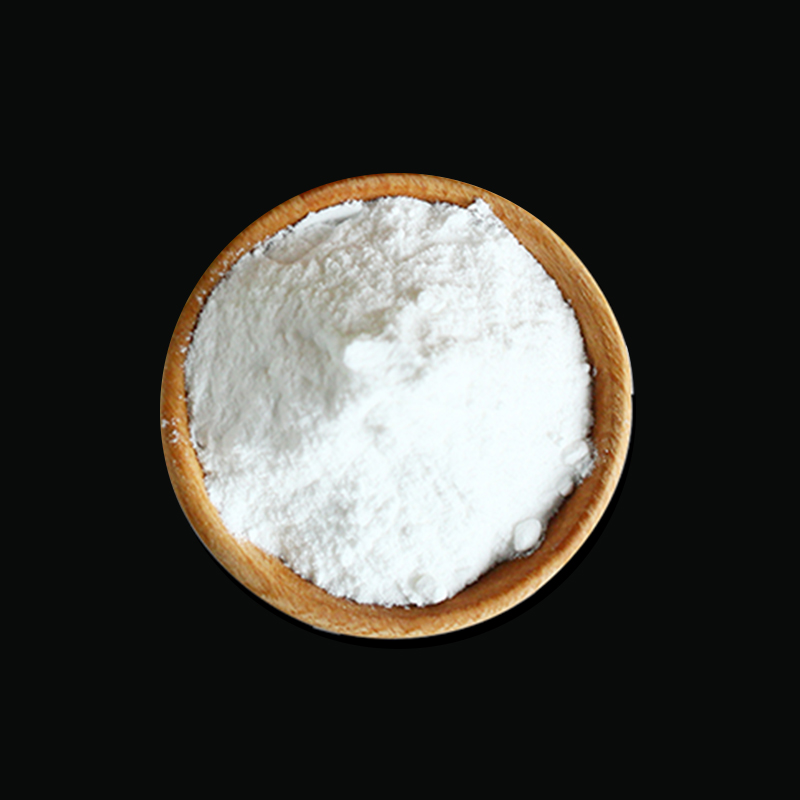
• Appearance: Off-white to light yellow powder (low dust, easy to handle and mix)
• Melting Point: ≈350℃ (ensures stability during high-temperature processing)
• Decomposition Temperature: >320℃ (no degradation during extrusion/injection molding)
• Particle Size: D50 ≈5–10 μm (optimized for uniform dispersion in polymer matrices)
• Recommended Addition Level: 8–12% (for UL94 V-0 in PC/ABS; 10–15% in PBT/PET)
• Compatible Polymers: PC, ABS, PC/ABS, PBT, PET, EPDM, HIPS
• No need for additional antioxidants or stabilizers (stable under typical processing conditions)
Ethylenebistetrabromophthalimide is widely used in electrical appliance housings—including refrigerators, air conditioners, and washing machines—made from PC/ABS or HIPS. Adding 8–10% of the flame retardant ensures the housings meet UL94 V-0 and IEC 60335 safety standards, preventing fire spread in case of internal electrical faults (e.g., short circuits). Its low impact on mechanical properties also ensures the housings retain durability, withstanding daily use and transportation damage.
In wire & cable insulation (e.g., PVC, PE, and XLPE), it is added at 10–15% to achieve flame-retardant ratings like UL 1581 and GB/T 19666. Its low smoke emission is critical for cables used in public buildings, railways, and data centers, where smoke can block visibility and damage equipment during fires. For example, in data center power cables, it ensures uninterrupted power supply to servers by preventing insulation combustion, minimizing downtime during emergencies.
Automotive manufacturers use it in interior components like dashboard substrates (PC/ABS), door panels (PP/EPDM), and seat foam covers. It meets automotive flame-retardant standards (e.g., FMVSS 302), which require materials to self-extinguish within 10 seconds of ignition. Its thermal stability also withstands the high temperatures of automotive paint curing processes (up to 200℃), ensuring no degradation during production.
In composite materials (e.g., fiberglass-reinforced polyester resins for wind turbine blades and building panels), Ethylenebistetrabromophthalimide is added to enhance fire resistance. Its compatibility with polyester resins ensures uniform dispersion, maintaining the composite’s structural strength (e.g., tensile modulus, flexural strength) while achieving UL94 V-0. For wind turbine blades, this protects against fire risks from lightning strikes, extending the lifespan of the turbine.


