



| Quantity: | |
|---|---|


PAK (Polyarylene Ketone) is a family of high-performance thermoplastic engineering polymers recognized for its exceptional thermal stability, mechanical strength, and chemical resistance. Designed for demanding environments where traditional engineering plastics may fail, PAK offers a continuous service temperature up to 250℃, a glass transition temperature (Tg) of ≈150–200℃ (depending on grade), and retains >90% of its mechanical properties after 10,000 hours of heat aging at 200℃ (per ISO 2578). Compared with other high-temperature polymers, PAK provides a balanced combination of performance, processability through injection molding and extrusion, and cost-effectiveness. Its low moisture absorption (<0.1%) further ensures excellent dimensional stability in humid and wet environments, making it suitable for aerospace, oil & gas, medical, and industrial applications.
PAK(Polyarylene Ketone) delivers exceptional thermal performance with a continuous service temperature up to 250℃ and short-term heat resistance up to 300℃. After 10,000 hours of heat aging at 200℃, it retains >90% tensile strength (≈90 MPa) and flexural strength (≈130 MPa), outperforming PEEK under the same conditions.
PAK(Polyarylene Ketone) delivers excellent mechanical performance across a wide temperature range from –60℃ to 250℃. It provides tensile strength of ≈90 MPa, flexural strength of ≈130 MPa, and Izod notched impact strength of ≈80 J/m at 23℃. Even at 200℃, PAK retains 70% of its room-temperature impact strength, with low creep deformation (<1% after 1,000 hours at 200℃ under 50 MPa, per ISO 899-1), ensuring long-term structural reliability.
PAK(Polyarylene Ketone) provides outstanding resistance to aggressive chemicals, including 98% sulfuric acid, 50% sodium hydroxide, automotive oils, and industrial solvents such as toluene and acetone. This chemical stability remains reliable at temperatures up to 200℃, making PAK suitable for chemical processing and harsh industrial environments. Its excellent hydrolysis resistance also ensures long-term performance in wet and humid conditions.
PAK provides outstanding electrical insulation performance with a volume resistivity of >10¹⁶ Ω·cm and dielectric strength of ≈25 kV/mm at 23℃. These properties remain stable at temperatures up to 250℃ and in humid environments (95% RH), making it suitable for high-temperature electrical applications. With low moisture absorption (<0.1% at 23℃ for 24h, ISO 62) and a low CLTE of ≈20 × 10⁻⁶/℃, PAK ensures excellent dimensional stability for precision components.
Medical-grade PAK complies with ISO 10993-1 and USP Class VI standards, supporting reliable use in medical devices requiring biocompatibility. It withstands repeated sterilization processes, including autoclaving at 134℃ and 2 bar, ethylene oxide (EO) sterilization, and gamma radiation at 25 kGy, while maintaining mechanical and chemical performance.
Specification Items | Details |
Chemical Identifiers | |
CAS Number | 25667-42-9 (generic for PAK family; specific grades have unique identifiers) |
Molecular Formula | (C₁₃H₈O)ₙ (varies by grade; core arylene ketone structure consistent) |
Molecular Weight | 50,000–150,000 g/mol (high molecular weight for mechanical strength) |
Glass Transition Temperature (Tg) | ≈150–200℃ (varies by grade; high-Tg grades for extreme heat) |
Physical & Thermal Properties | |
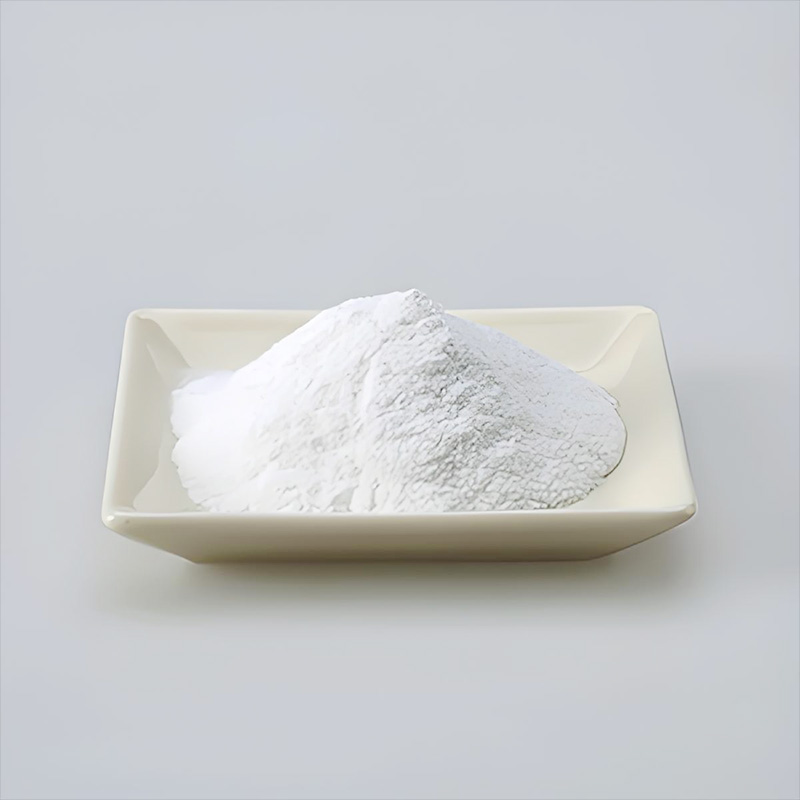
Appearance | Off-white to brown granular solid (opaque; some grades offer black or custom colors) |
Density | ≈1.28–1.35 g/cm³ (lightweight compared to metals like titanium, ideal for weight-sensitive applications) |
Continuous Service Temperature | Up to 250℃ |
Melting Point (semi-crystalline grades) | ≈300–380℃ (amorphous grades have no distinct melting point) |
Moisture Absorption | <0.1% (24h @ 23℃, per ISO 62) |
Flame Rating | UL94 V-0 (1.6mm thickness, inherent flame retardancy) |
Compliance & Performance Standards | |
Biocompatibility | ISO 10993-1, USP Class VI (medical grades) |
Electrical Insulation | Meets IEC 60243-1 (dielectric strength) and IEC 60093 (volume resistivity) |
Environmental Compliance | RoHS 2.0, REACH SVHC (no restricted substances) |
PAK(Polyarylene Ketone) is used in aerospace components including turbine blade shrouds, fuel injector nozzles, cabin interior parts, and high-temperature electrical insulation systems. With excellent thermal stability up to 250℃, lightweight density (≈1.3 g/cm³), and strong mechanical reliability, PAK(Polyarylene Ketone) supports long-term performance in demanding aerospace environments.
PAK(Polyarylene Ketone) is used in oil & gas applications including downhole tools such as logging instrument housings and valve seats, as well as surface equipment including pump casings and chemical handling components. Its excellent resistance to crude oil, drilling fluids, and acidic gases (H₂S), combined with high-pressure capability up to 15,000 psi, enables reliable performance in harsh operating environments.
For example, PAK logging instrument housings protect sensitive electronics in offshore wells exposed to corrosive fluids and temperatures up to 200℃, ensuring long-term operational reliability.
PAK(Polyarylene Ketone) is used in medical applications requiring biocompatibility, sterilization resistance, and dimensional stability. Typical applications include non-implantable devices such as surgical forceps and endoscope housings, as well as short-term implantable components including orthopedic spacers.
For example, PAK(Polyarylene Ketone) surgical forceps maintain hardness (Shore D ≈85) and sharpness after 100 autoclave cycles, while endoscope housings resist disinfectants such as glutaraldehyde and maintain precise dimensional stability for optical components.
PAK provides comparable high-performance properties to PEEK while offering excellent heat aging resistance, mechanical reliability, and cost-effectiveness. After 10,000 hours at 200℃, PAK retains more than 90% of its tensile and flexural strength, compared with approximately 80% for PEEK under the same conditions.
PAK offers a continuous service temperature of up to 250℃ and short-term heat resistance up to 300℃ for intermittent applications. Its excellent heat aging resistance enables long-term use in aerospace, industrial, and oil & gas environments.
Yes. Medical-grade PAK complies with ISO 10993-1 and USP Class VI standards, making it suitable for non-implantable and short-term implantable medical devices. It can withstand sterilization processes including autoclaving at 134℃ and 2 bar, EO sterilization, and gamma radiation at 25 kGy.


