



| Quantity: | |
|---|---|


Brominated Polystyrene (Brominated R-301/701/901) is a series of polymer-type brominated flame retardants (BFRs) distinguished by their high molecular weight (50,000–200,000 g/mol), varying bromine contents, and low migration. Unlike low-molecular-weight BFRs (e.g., decabromodiphenyl ethane), their polymer structure eliminates blooming, leaching, and volatility—ensuring permanent flame retardancy in engineering plastics. The series includes three grades: R-301 (bromine content ≈65%), R-701 (≈70%), and R-901 (≈72%)—catering to different flame-retardant efficiency needs. With a decomposition temperature >310℃ and excellent compatibility with ABS, PC/ABS, PBT, and HIPS, they deliver UL94 V-0 ratings at 8–15% addition while retaining >90% of the base polymer’s mechanical properties. Compliant with RoHS 2.0 and REACH SVHC, they are widely used in electronics, automotive, and consumer goods where long-term fire safety and material purity are critical.
All grades have a high molecular weight (R-301: 50,000–80,000; R-701: 100,000–150,000; R-901: 180,000–200,000 g/mol)—preventing migration or leaching from polymer matrices. Testing shows no detectable migration (<0.1 ppm) in PC/ABS samples aged at 85℃/85% RH for 1,000 hours, eliminating surface blooming and ensuring consistent flame retardancy over the product’s lifespan. This is critical for electronic components (e.g., PCB connectors) and food-contact plastics (specific R-701 grades comply with FDA 21 CFR Part 177.2600), where migration could cause contamination or electrical failure.
The series’ varying bromine contents enable tailored flame retardancy:
• R-301 (≈65% bromine): Achieves UL94 V-0 (1.6mm) at 15% addition in ABS, ideal for cost-sensitive applications.
• R-701 (≈70% bromine): Delivers UL94 V-0 (1.6mm) at 12% addition in PC/ABS, balancing efficiency and cost.
• R-901 (≈72% bromine): Provides UL94 V-0 (1.6mm) at 8% addition in PBT, suitable for thin-walled parts.
All grades release bromine radicals during combustion to interrupt the chain reaction, with higher bromine grades requiring lower addition levels. For example, PBT with 8% R-901 has a LOI of ≥32% (vs. 21% for pure PBT) and passes UL 94 750℃ GWIT.
Brominated Polystyrene is compatible with ABS, PC/ABS, PBT, PET, and HIPS—requiring no additional compatibilizers. It has minimal impact on mechanical properties:
• ABS with 15% R-301 retains >90% tensile strength (≈45 MPa) and >88% impact strength (≈20 kJ/m²).
• PC/ABS with 12% R-701 maintains >92% tensile strength (≈65 MPa) and >90% elongation at break (≈50%).
• PBT with 8% R-901 retains >95% flexural strength (≈120 MPa).
Unlike additive BFRs that cause brittleness, its polymer chains interact with the base polymer matrix, preserving toughness—critical for load-bearing parts like automotive door panels.
All grades have a decomposition temperature >310℃, stable during high-temperature processing (240–320℃ for PC/ABS, PBT). They do not decompose or release toxic gases (e.g., HBr) below 310℃, protecting production equipment and ensuring worker safety. Their granular form (D50≈10–20 μm) reduces dust during handling, improving workplace air quality. For example, PC/ABS extrusion lines using R-701 experience no die buildup or yellowing, maintaining consistent production quality.
• CAS Number: 88497-56-1 (generic for brominated polystyrene)
• Molecular Formula: (C₈H₅Brₓ)ₙ (x: 1.5–1.8, n varies by molecular weight)
• Molecular Weight: 50,000–800,000 g/mol (R-301: 50k–80k; R-701: 100k–150k; R-901: 180k–200k)
• Bromine Content: ≈65% (R-301); ≈70% (R-701); ≈72% (R-901) (X-ray fluorescence)
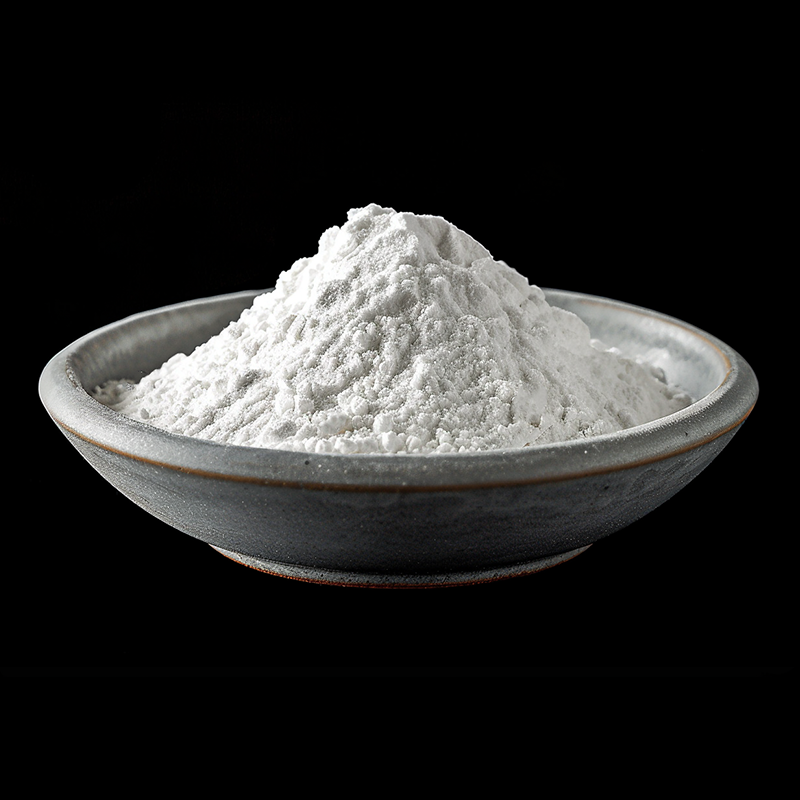
• Appearance: Off-white to light yellow granular solid (all grades)
• Particle Size: D50≈10–15 μm (R-301/R-701); D50≈15–20 μm (R-901) (laser diffraction)
• Density: ≈1.55 g/cm³ (R-301); ≈1.60 g/cm³ (R-701); ≈1.62 g/cm³ (R-901)
• Decomposition Temperature: >310℃ (5% weight loss, TGA under N₂)
• Melting Point: ≈250–280℃ (softening range, no distinct melting point)
• Moisture Content: <0.2% (23℃/60% RH, Karl Fischer)
• Flame Rating (1.6mm): UL94 V-0 (all grades, at recommended addition levels)
• Recommended Addition Level: 15% (R-301, ABS); 12% (R-701, PC/ABS); 8% (R-901, PBT)
• Compatible Polymers: ABS, PC/ABS, PBT, PET, HIPS, PC/PBT blends
• Processing Temperature: 240–320℃ (extrusion/injection molding)
• Additives: Compatible with antioxidants (e.g., Irganox 1010) and UV stabilizers
The series is used in electronic plastics like ABS smartphone chassis, PC/ABS laptop housings, and PBT connector housings. ABS smartphone chassis with 15% R-301 achieve UL94 V-0 (1.0mm thickness) and retain impact strength (≈20 kJ/m²) for drop resistance. PC/ABS laptop housings (12% R-701) meet IEC 60950-1 and reduce total BFR loading by 20% vs. decabromodiphenyl ethane. PBT connector housings (8% R-901) are thin-walled (0.8mm) and meet UL 94 V-0, suitable for 5G communication devices.
Automotive manufacturers use the series in PP/EPDM-ABS blends (dashboard substrates), PBT wire harness connectors, and HIPS door trim. Dashboard substrates (ABS + 14% R-301) comply with FMVSS 302 and retain flexibility (Shore D hardness ≈75) for passenger comfort. PBT wire harness connectors (10% R-901) withstand 150℃ engine bay heat and meet automotive eco-standards (EU ELV Directive). HIPS door trim (13% R-701) provides cost-effective flame retardancy while retaining aesthetic appeal.
In consumer goods, it is used in HIPS TV back covers, ABS power tool housings, and PBT hair dryer components. HIPS TV back covers (14% R-301) meet IEC 60065 (audio/video safety) and reduce material costs. ABS power tool housings (15% R-301) retain impact strength (≈18 kJ/m²) to handle drops, complying with IEC 60745. PBT hair dryer heating element housings (9% R-901) withstand 200℃ heat and meet UL 94 V-0, ensuring user safety.
For industrial equipment, it is used in PBT pump impellers, PC/ABS industrial controller housings, and PET conveyor belt links. PBT pump impellers (8% R-901) resist chemical corrosion and retain flexural strength (≈120 MPa) for fluid handling. PC/ABS controller housings (12% R-701) meet IEC 61010-1 and protect electronics from fire risks. PET conveyor belt links (11% R-701) withstand 80℃ continuous operation and meet factory fire codes.


