


Views: 0 Author: Site Editor Publish Time: 2026-03-13 Origin: Site


Decabromodiphenyl Ethane (often abbreviated as DBDPE) is a highly effective chemical compound primarily used as a flame retardant. It is a member of the brominated flame retardant family, which is known for its ability to reduce the flammability of materials, preventing or delaying the spread of fire. DBDPE is commonly used in a variety of industrial applications due to its excellent thermal stability and ability to perform well under extreme conditions.
DBDPE is made up of decabromodiphenyl ethane, consisting of two phenyl rings with ten bromine atoms attached. This structure is responsible for its high flame retardant efficiency. The bromine atoms are key to its ability to release heat and slow down combustion when materials are exposed to high temperatures.
DBDPE is often preferred over other types of flame retardants due to its superior performance and environmental safety. It is non-toxic, non-volatile, and chemically stable, making it suitable for a wide range of applications.
Due to its fire safety properties, Decabromodiphenyl Ethane is widely utilized in industries that demand high fire resistance. These industries rely on the compound to ensure compliance with stringent fire safety regulations and to improve the safety profile of their products. The versatility and performance of DBDPE have made it an essential component in many manufacturing processes.
Flame retardants are substances that are added to materials to prevent or slow down the spread of fire. Decabromodiphenyl Ethane is one of the most commonly used flame retardants in various materials due to its effectiveness, stability, and safety.
DBDPE works by chemically reacting with the free radicals that are generated when materials catch fire. The bromine atoms in the molecule release heat energy when exposed to fire, preventing the combustion process from spreading. This action helps slow the burning process, giving more time for evacuation and minimizing damage in case of a fire.
DBDPE is used in a variety of products that are susceptible to fire risks, including:
Plastics: Commonly used in PVC, ABS, and polyolefin-based plastics, DBDPE provides crucial flame retardancy in applications such as wiring insulation, automotive parts, and consumer electronics.
Textiles: Flame-retardant fabrics treated with DBDPE are used in uniforms, upholstery, and other fabrics that require fire resistance.
Rubber: Used in automotive seals and gaskets, as well as in the production of industrial rubber products.
Product | Industry | Application |
PVC Plastics | Electrical/Electronics | Insulation for wires and cables |
Polyurethane Foam | Furniture/Building | Upholstery and foam insulation |
Automotive Components | Automotive | Seat covers, dashboard materials, interior panels |
Electrical Components | Electronics | Components in consumer electronics |
In the electronics industry, Decabromodiphenyl Ethane plays a significant role in ensuring that electronic products meet fire safety standards. The rapid development of electronic devices has made fire safety a top priority, especially for products that operate under high heat or are subject to high-frequency electrical currents.
The key to DBDPE’s effectiveness in electronics is its thermal stability and its ability to reduce the risk of ignition. It is used extensively in the production of wires, cables, printed circuit boards (PCBs), and consumer electronics such as computers, televisions, and mobile phones. These components are often required to adhere to stringent fire safety regulations, and DBDPE is a reliable way to ensure compliance.
The incorporation of DBDPE into electronics helps to prevent the ignition of electrical components, making them safer for both consumers and manufacturers. In addition, this flame retardant enhances the durability of electrical products by reducing the risk of overheating and fire damage.
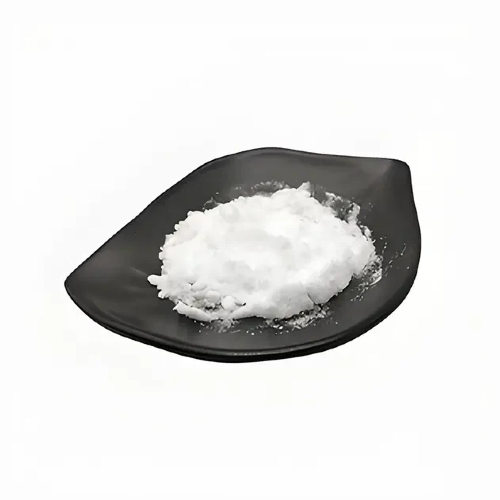
Building materials and furnishings are often subject to strict fire safety codes. The incorporation of Decabromodiphenyl Ethane in these materials helps reduce the risk of fire hazards in homes, offices, and industrial facilities.
DBDPE is commonly used in insulation materials, coatings, and ceilings. In buildings, these materials need to meet specific fire-resistance ratings to ensure the safety of occupants in case of fire. DBDPE enhances the flame-retardant properties of materials like foam insulation, fireproof coatings, and composite materials used in walls and ceilings.
Additionally, furnishings such as furniture and textile products benefit from DBDPE’s fire-resistant properties. In many regions, regulations require that materials used in furniture and soft goods, such as upholstery, must pass specific fire safety tests to be sold to consumers.
The addition of Decabromodiphenyl Ethane to building materials helps manufacturers comply with local fire safety regulations, such as the National Fire Protection Association (NFPA) codes or European Union (EU) fire standards. These standards aim to prevent fire spread in buildings and enhance the safety of residents.
The automotive industry is another sector that significantly benefits from the use of Decabromodiphenyl Ethane. As cars and other vehicles contain a variety of materials susceptible to fire, the need for flame retardants like DBDPE is critical to ensure the safety of drivers, passengers, and vehicle operators.
DBDPE is used in automobile interior components, including seats, dashboard panels, and floor mats. These materials must not only be durable and comfortable but also meet fire safety standards. DBDPE helps achieve the required fire resistance, ensuring that materials don’t catch fire or spread flames in the event of an accident.
Additionally, automotive wiring and electrical systems are also treated with flame retardants to prevent ignition from electrical faults, thus increasing the overall safety of the vehicle.
While Decabromodiphenyl Ethane is highly effective as a flame retardant, its use is subject to growing environmental concerns and regulatory scrutiny. The chemical industry is increasingly moving toward greener alternatives and sustainable practices to reduce the impact of flame retardants on the environment.
DBDPE is regulated under several international frameworks, including the European Union's REACH (Registration, Evaluation, Authorisation, and Restriction of Chemicals) regulations and RoHS (Restriction of Hazardous Substances) in electronics. Manufacturers must adhere to these standards to ensure that the materials they produce are safe for both the environment and human health.
DBDPE has a low potential for bioaccumulation and toxicity when compared to other flame retardants, making it a preferred choice in applications where environmental impact is a concern. However, continued research and the development of safer, more eco-friendly flame retardants are essential to further reduce any possible negative effects on the environment.
As part of the growing emphasis on sustainability, manufacturers are working to improve the recycling and disposal processes for products containing DBDPE. Advanced recycling technologies are being developed to ensure that flame-retardant-treated products are properly managed at the end of their lifecycle.
The future of Decabromodiphenyl Ethane looks promising, as industries continue to demand high-performance flame retardants. However, there is a noticeable shift toward greener alternatives due to increasing environmental awareness and tighter regulations.
Researchers are working on developing more eco-friendly alternatives to traditional brominated flame retardants, including Decabromodiphenyl Ethane. These innovations include non-halogenated flame retardants that are equally effective but have less environmental impact.
As industries push for sustainable solutions, Decabromodiphenyl Ethane is being explored for its potential in circular economy models. This includes improving product lifespan, reducing waste, and enhancing material recyclability.
In conclusion, Decabromodiphenyl Ethane stands out as a highly effective and versatile flame retardant, offering exceptional fire safety across a variety of industries including electronics, automotive, building materials, and textiles. Its remarkable thermal stability and efficiency make it a top choice for manufacturers seeking to meet strict fire safety regulations while ensuring durability and safety.
As the industry continues to prioritize sustainability and environmental safety, we at Weifang Qianghao Chemical Co., Ltd. are committed to providing high-quality, eco-friendly solutions in line with the latest regulatory standards. If you're interested in learning more about Decabromodiphenyl Ethane or exploring how our products can support your specific needs, we encourage you to reach out to us. Our team of experts is ready to assist you in finding the perfect solution for your flame retardant requirements, ensuring that your products remain safe, reliable, and compliant.
Decabromodiphenyl Ethane is a brominated compound consisting of a diphenyl ethane backbone with ten bromine atoms attached. This structure gives it excellent fire-retardant properties.
DBDPE is preferred due to its thermal stability, high effectiveness, and long-lasting performance. It also poses fewer risks to human health and the environment compared to other halogenated flame retardants.
While DBDPE is considered relatively safer for the environment compared to other flame retardants, there is ongoing research into developing more sustainable alternatives to reduce its environmental impact.
DBDPE is regulated under various international frameworks, including REACH and RoHS, ensuring its use adheres to safety and environmental standards.
DBDPE is commonly used in industries such as electronics, automotive, building materials, furnishings, and plastics to enhance fire resistance and meet fire safety standards.


