



| Quantity: | |
|---|---|


Ethylenebistetrabromophthalimide BT-93W is a premium, modified grade of Ethylenebistetrabromophthalimide—engineered for high-performance flame-retardant applications in demanding polymer matrices like PC, PC/ABS blends, and high-temperature polyesters. Distinguished by its enhanced dispersion efficiency (via surface treatment) and higher thermal stability (decomposition temperature >330℃) compared to standard grades, it delivers superior flame-retardant performance with minimal impact on the mechanical and optical properties of the base polymer. With a bromine content of ≈68% (higher than standard grades), it achieves UL94 V-0 ratings at lower addition levels (6–10%), making it a cost-effective solution for manufacturers of high-end electronics, automotive components, and aerospace interiors. Its compliance with global eco-standards (RoHS 2.0, REACH SVHC) and low smoke emission further solidify its position as a top-tier flame retardant for safety-critical applications.
Ethylenebistetrabromophthalimide BT-93W undergoes a proprietary surface treatment (silane coupling agent coating) that improves its compatibility with polar polymers like PC and PC/ABS. This treatment reduces particle agglomeration, ensuring uniform dispersion in the polymer matrix (verified via scanning electron microscopy, SEM). Unlike standard Ethylenebistetrabromophthalimide, which may form clumps in PC/ABS (leading to inconsistent flame retardancy), BT-93W maintains a homogeneous distribution—ensuring every section of the material meets UL94 V-0. This uniformity also preserves the base polymer’s mechanical properties, with PC/ABS blends retaining >95% of their original impact strength.
With a bromine content of ≈68% (1% higher than standard grades), BT-93W delivers superior flame-retardant efficiency. This allows manufacturers to reduce addition levels by 10–15% compared to standard brominated flame retardants. For example, in PC/ABS blends used for smartphone chassis, adding just 8% BT-93W achieves UL94 V-0 (1.6mm thickness)—down from 10% for standard grades. Lower addition levels reduce material costs and minimize the impact on the polymer’s flow properties, enabling the production of thin-walled, complex parts (e.g., 0.8mm thick electronic connectors).
BT-93W exhibits a decomposition temperature >330℃ (10℃ higher than standard Ethylenebistetrabromophthalimide) and melting point of ≈355℃, making it suitable for processing high-temperature polymers like PC (processing temperature: 280–320℃) and PBT (250–280℃). It does not decompose or release bromine during extrusion or injection molding, preventing equipment corrosion and ensuring consistent flame-retardant performance in the final product. For example, in PC lighting fixtures processed at 310℃, BT-93W remains stable, avoiding yellowing of the PC and maintaining the fixture’s aesthetic appeal.
Unlike many flame retardants that cause polymer discoloration, BT-93W has minimal effect on the optical properties of transparent polymers like PC. PC blends containing 8% BT-93W retain >85% light transmittance (3mm thickness, visible light range)—only 5% lower than pure PC. This makes it suitable for transparent applications like LED light covers, automotive headlight lenses, and electronic display windows, where clarity is critical. Its low discoloration also ensures long-term color stability, with no yellowing after 1,000 hours of exposure to UV light (per ISO 105-B02).
BT-93W emits 30% less smoke (per GB/T 8627-2017) and 25% less hydrogen bromide (HBr) (per ASTM D635-14) during combustion compared to standard brominated flame retardants. This makes it ideal for safety-critical applications like aircraft interiors, train seats, and building insulation—where smoke and toxic gas inhalation are major fire hazards. For example, in aircraft cabin panels made from PC/ABS + BT-93W, smoke density remains below 200 (Dm value) during fires, complying with aerospace standards (e.g., FAR 25.853).
| Category | Specification | Details |
| Chemical Identifiers | CAS Number | 32588-76-4 (same as base compound; surface treatment does not alter structure) |
| Molecular Formula | C₁₆H₄Br₈N₂O₄ | |
| Bromine Content | ≈68% (by weight, measured via ion chromatography) | |
| Surface Treatment | Silane coupling agent (≈1% by weight, for dispersion enhancement) | |
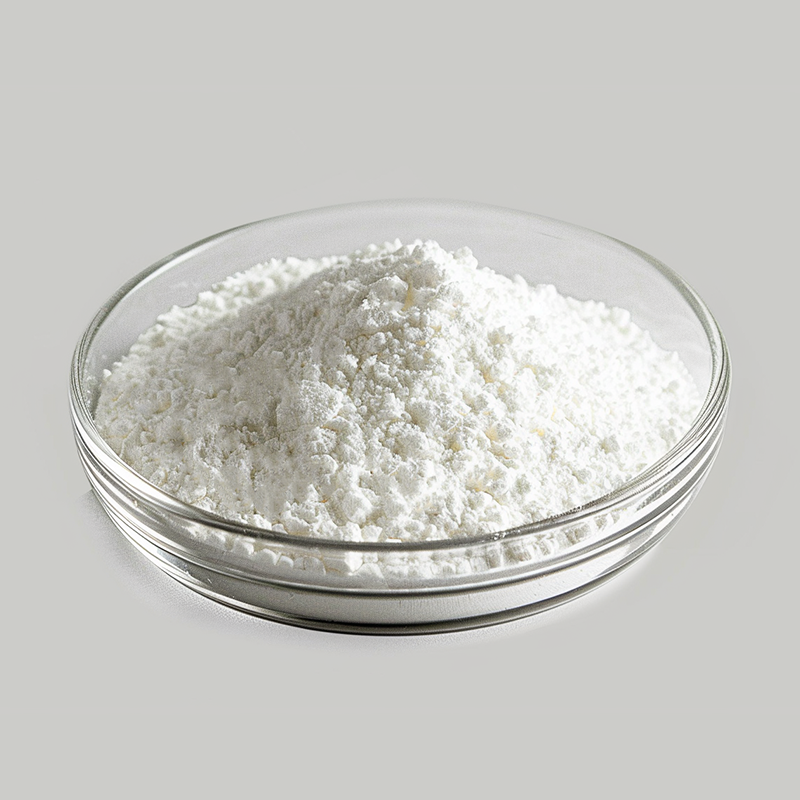
| Physical & Thermal Properties | Appearance | White, free-flowing powder (low dust, easy to handle) |
| Particle Size | D50 ≈3–5 μm | |
| Melting Point | ≈355℃ | |
| Decomposition Temperature | >330℃ | |
| Bulk Density | ≈0.65 g/cm³ | |
| Formulation Recommendations | Recommended Addition Level | 6–10% (UL94 V-0 in PC/ABS; 8–12% in PC) |
| Compatible Polymers | PC, PC/ABS, PBT, PET, PC/PET blends | |
| Processing Temperature Range | 240–320℃ (safe for high-temperature polymer processing) |
BT-93W is widely used in high-end electronic components like smartphone chassis, laptop housings, and tablet back covers (made from PC/ABS or PC). Its low addition level (8–10%) and minimal impact on optical properties ensure thin-walled, lightweight designs with UL94 V-0 flame retardancy. For example, in 5G smartphone chassis (0.8mm thickness), BT-93W enables compliance with UL94 V-0 while maintaining the chassis’s structural integrity and aesthetic appeal.
In automotive, BT-93W is employed in transparent components like headlight lenses (PC), taillight covers (PC), and instrument panel displays (PC/ABS). Its ability to retain >85% light transmittance in PC ensures optimal light output for headlights, while its flame retardancy meets automotive safety standards (FMVSS 302). For instance, PC headlight lenses with 8% BT-93W withstand high temperatures (up to 120℃) from LED bulbs and remain transparent, avoiding reduced visibility over time.
Aerospace manufacturers use BT-93W in cabin interior parts like overhead bin doors (PC/ABS), seat back shells (PC), and window surrounds (PC). Its low smoke emission and toxicity comply with aerospace fire safety standards (FAR 25.853), while its thermal stability withstands the temperature fluctuations of flight (–50℃ to 80℃). For example, PC/ABS overhead bin doors with BT-93W self-extinguish within 5 seconds of ignition, protecting passengers from fire spread during emergencies.
BT-93W is ideal for LED lighting fixtures—including commercial downlights, residential bulbs, and industrial high-bay lights—made from PC or PC/PET blends. Its high light transmittance ensures efficient light diffusion, while its flame retardancy (UL94 V-0) meets safety standards for electrical lighting (IEC 60598). For example, PC LED downlight covers with 7% BT-93W retain clarity and pass UL94 V-0, making them suitable for use in offices, schools, and hospitals.
It has a bromine content of ≈68%, enabling UL94 V-0 ratings at 6–10% addition in polymers.
Yes, it has a decomposition temperature >330℃, safe for processing PC and PBT (240–320℃).
It has minimal impact, with PC blends retaining >85% light transmittance (3mm thickness).
It emits 30% less smoke and 25% less HBr than standard brominated flame retardants.


